Community
Live election results: All of California's U.S. House Districts
By Marcus Chen
Advertisement · Why this ad?
Katherine oversees editorial operations across all six brands. Before joining The Meridan Group, she spent 14 years at the Minneapolis Star Tribune, where she led the metro desk through its digital transformation. She holds a Master's in Journalism from Northwestern's Medill School.
More from Katherine →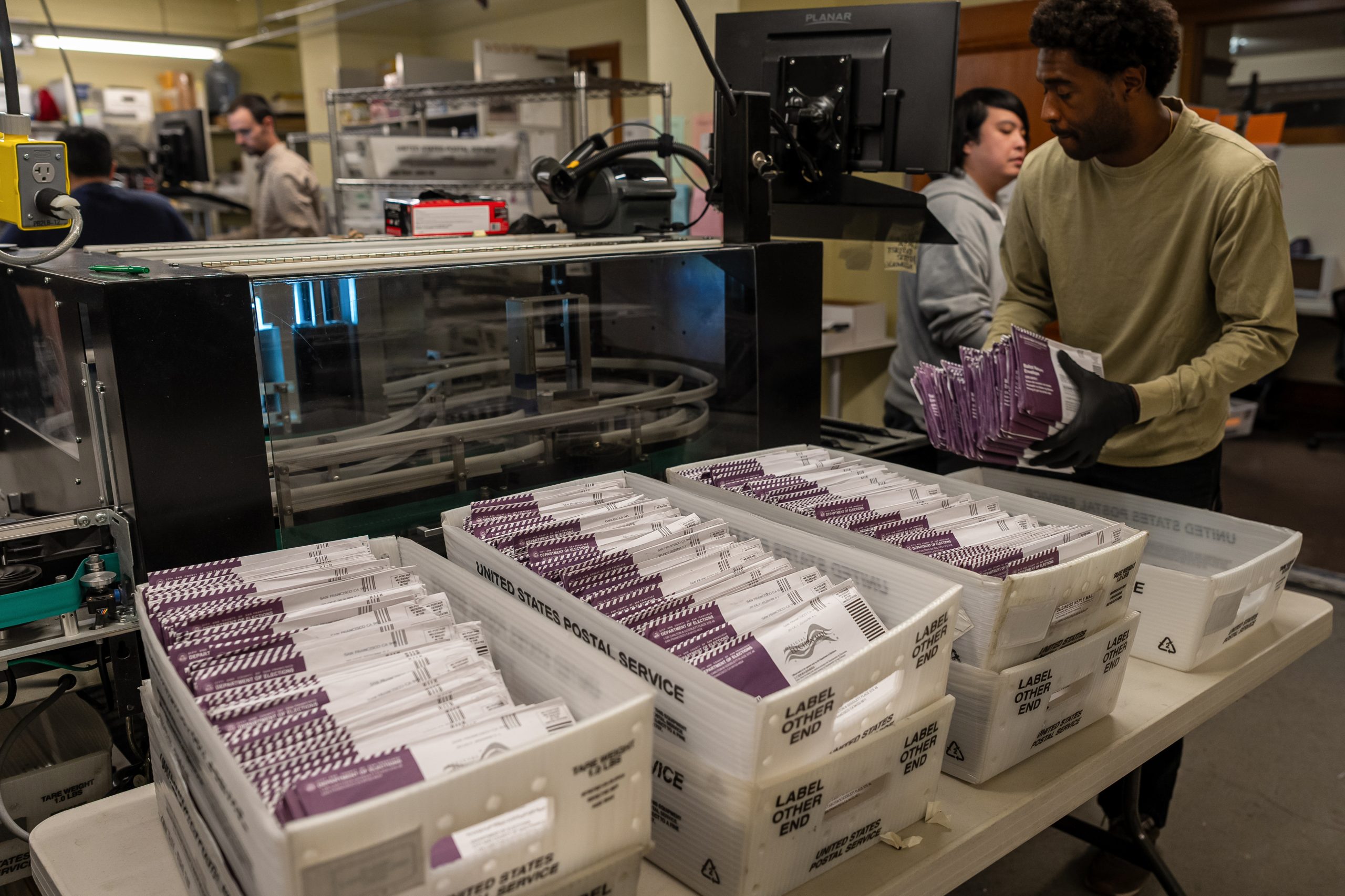
As the sun rose on November 3, 2023, the streets of Atherton buzzed with anticipation. Residents gathered at local coffee shops, discussing the implications of the propositions on their ballots. Among these measures, Proposition 40 emerged as a focal point of conversation, promising to impose a one-time tax on billionaires. This proposition, along with 13 others, was set to significantly impact the state's fiscal landscape and community resources.
Election Day in California brought a wave of civic engagement as voters turned out to have their voices heard. Proposition 40 was one of the most closely-watched measures, proposing a 5% tax on Californians with assets exceeding $1 billion. This includes not just wealth in cash but also investments, private business interests, and retirement funds. The tax, if passed, is projected to generate substantial revenue aimed at funding public services and infrastructure improvements across the state.
Voter participation was robust, with ballot drop-off boxes opening on October 5 and remaining accessible until 8 p.m. on Election Day. The presence of these boxes facilitated increased voter turnout, particularly among those who may have found it challenging to vote in person. As the clock ticked down, many residents expressed their hopes for the propositions, particularly the billionaire tax, which they believed could help address pressing community needs.
This election cycle featured 14 propositions, each addressing different aspects of California's governance and fiscal policy. Alongside Proposition 40, voters considered Proposition 39, which proposed changes to voter identification requirements. This measure aimed to streamline the voting process while ensuring the integrity of elections. Additionally, Proposition 37 sought to establish a second-mortgage homebuyer program, and Proposition 38 aimed to allocate $8.4 million in bonds for healthcare research.
These propositions reflect a broader conversation within the state about wealth distribution, access to healthcare, and the importance of secure voting practices. In a state where the cost of living continues to rise, the potential benefits of these measures resonate deeply with families striving to maintain their foothold in the community.
The ramifications of these propositions extend beyond mere numbers; they touch the lives of Atherton residents directly. For families grappling with the high cost of living, the revenue generated from Proposition 40 could translate into improved public services, including education and infrastructure. Local schools, which have faced budget constraints in recent years, could see increased funding for essential programs.
Moreover, the proposed changes in voter ID requirements under Proposition 39 aim to enhance voter accessibility. Residents have expressed concerns about ensuring that every eligible voter can participate in the democratic process without unnecessary barriers. The push for a more inclusive voting system is a testament to the community's commitment to civic engagement and participation.
As the votes were cast, the mood in Atherton was a mix of hope and apprehension. Many residents articulated their support for Proposition 40, believing that it could lead to a fairer distribution of resources. “It’s about time the wealthiest among us contribute to the community that has supported them,” said local resident Maria Gonzalez, a mother of three who has lived in Atherton for over a decade. “We need better schools and healthcare services for our children.”
Conversely, some residents voiced concerns about the implications of a new tax. “While I understand the need for funding, I worry about the message this sends to potential investors and entrepreneurs,” noted John Thompson, a local business owner. “California needs to be a place where businesses feel welcome and supported.” This sentiment underscores the delicate balance policymakers must strike between generating revenue and fostering an environment conducive to economic growth.
As the votes are tallied, the focus shifts to the implications of the results for Atherton and the broader California community. Should Proposition 40 pass, the state will need to implement the tax effectively, ensuring that the projected revenues are allocated to the intended public services. This will require transparency and accountability from state officials to maintain public trust.
In addition, the outcomes of the other propositions will shape the landscape of California governance moving forward. The changes proposed in voter ID laws and housing support programs could redefine access to essential services for many residents. The community will be watching closely to see how these measures are enacted and their effects on everyday life in Atherton.
In the heart of Atherton, conversations about the propositions reveal a tapestry of perspectives reflecting the community's diversity. Local leaders, such as Mayor Bill Widmer, have been vocal about the need for progressive taxation to support essential services. “This is not just about the wealthy; it’s about building a sustainable future for all Californians,” he stated at a recent town hall meeting. His remarks echoed the sentiments of many residents who believe that the wealthiest should contribute more to alleviate the burdens faced by middle and lower-income families.
Community organizations, such as Atherton Together, have also played a crucial role in educating residents about the implications of the propositions. Their outreach efforts included informational sessions and distribution of non-partisan materials to ensure that voters could make informed decisions. “We want every voice to be heard and every vote to count,” said Sarah Lee, a volunteer with the organization. “These propositions impact our schools, our healthcare, and our environment.”
The outcomes of these propositions could have far-reaching effects beyond Atherton, influencing statewide policies and potentially setting a precedent for other states grappling with similar issues. The billionaire tax has sparked conversations about wealth inequality and the responsibilities of the affluent in contributing to societal well-being. If successful, it could inspire similar measures in other states, igniting a national dialogue about taxation and social equity.
Moreover, the proposed changes to voter ID laws could reshape how elections are conducted across California. By making the voting process more accessible, these measures could encourage higher participation rates among underrepresented communities, ultimately leading to a more equitable democratic process.
Ultimately, the November 3 election serves as a reminder of the power of civic engagement. As residents of Atherton reflect on their choices, they reaffirm their commitment to shaping a community that values strong families, stable households, and an inclusive society. The results will not only impact the immediate future but will also set the stage for long-term changes that resonate throughout the community.
By Marcus Chen

By Katherine Langford

By Katherine Langford

By Katherine Langford