Community
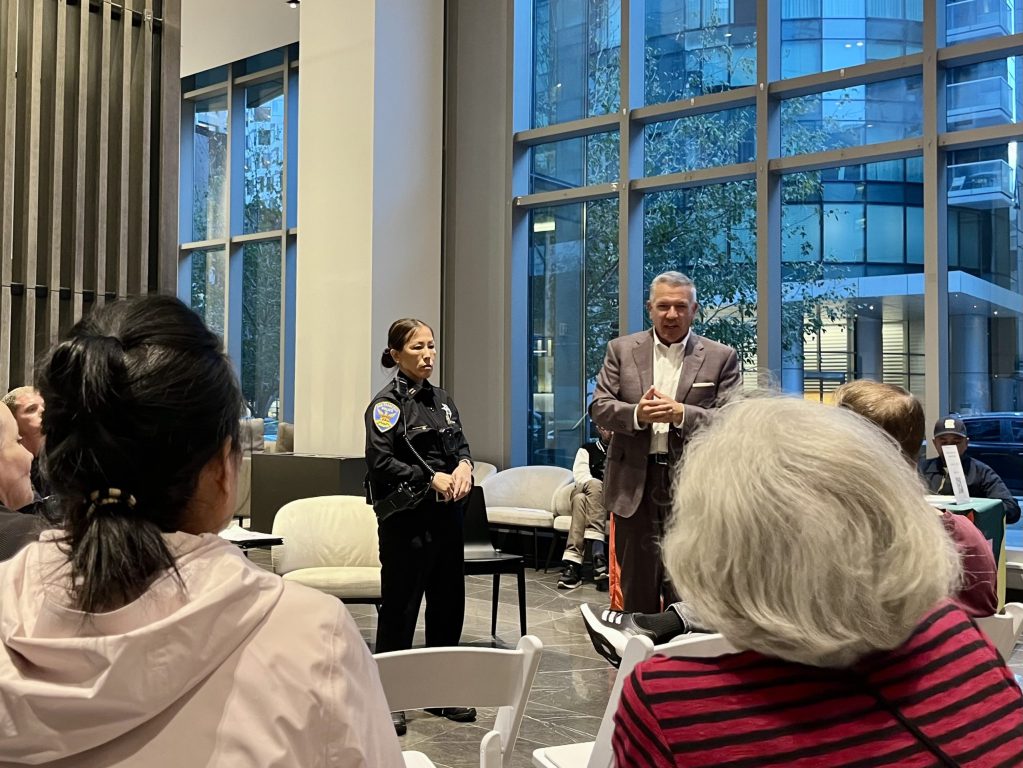
SoMa police station losing 4th captain since last June
By Marcus Chen
Advertisement · Why this ad?
Marcus manages the day-to-day editorial workflow across all brands, coordinating coverage assignments and ensuring editorial standards are met. He previously served as city editor at the Pioneer Press and holds a degree in Political Science from Carleton College.
More from Marcus →
The laughter of children playing in Dolores Park seems a world away from the stark reality facing an increasing number of San Francisco families. Just last week, a citywide count revealed a jarring 27% increase in the number of children experiencing homelessness over the past two years, a figure that underscores a deepening crisis within our community. The numbers, released by the Department of Homelessness and Supportive Housing, show 786 children now face the instability and trauma of homelessness, up from 618 just two years ago. This isn’t just about statistics; it's about the faces of children whose lives are disrupted, whose futures are jeopardized, and whose families are struggling to survive.
The city’s annual “Point-in-Time Count,” a federally mandated snapshot of homelessness, revealed the troubling rise in vulnerable children. Of the 786 children identified as homeless, 190 were unsheltered, meaning they were sleeping in tents, vehicles, abandoned buildings, or outdoors – places no child should ever call home. The count, conducted in January, aims to provide a baseline understanding of the city’s homeless population. However, the methodology itself creates challenges; the early morning hours used this year may have missed families heading to school or work, potentially undercounting the true extent of the problem. The report also showed a 17% increase in chronic homelessness and a 15% rise in first-time homelessness, painting a broader picture of a system under strain. The city’s overall homeless population decreased slightly, from 8,323 in 2024 to 7,973 in 2026, a decrease of 4%, and the number of unsheltered individuals dropped even more by 22%, but these figures must be viewed cautiously given the methodological changes implemented this year.
Further complicating the picture, 44% of those experiencing homelessness in San Francisco arrived already homeless from elsewhere, drawn by the city's available services. This influx places an added burden on local resources and highlights the regional nature of the crisis. The number of people in households with children grew 34% from 1,103 in 2024 to 1,474 in 2026. The city’s year-end total of its homeless population in 2025, counting anyone who cycled through the homelessness system at some point, topped at 23,425, compared to the 7,973 counted on its streets in January.
Christin Evans, former member of the city’s homelessness commission, rightly questioned the validity of using the Point-in-Time Count to measure changes over time, describing it as “comparing apples and oranges.” The shift in counting methodology – from nighttime to early morning – inherently introduces bias, likely undercounting families who are at school or work. This underscores the need for more robust and continuous data collection methods to accurately track the evolving landscape of homelessness in San Francisco. As a community, we must recognize the limitations of this snapshot and seek more comprehensive insights.
Eviction defense attorney Tuesday Rose Thornton expressed a sentiment shared by many working on the front lines: “I’m watching it happen every day in court.” She attributes the crisis, in part, to landlords employing questionable tactics to displace families and raise rents. This reality is compounded by a surge in San Francisco’s rental costs, with the Rent Board reporting a staggering 44% increase in evictions this year alone. The mayor’s recent declaration of a “rent emergency” and proposed legislation to increase by 25% the amount tenants receive if they are evicted through the Ellis Act are attempts to address this pressing issue, but many believe more comprehensive solutions are needed. Mayor declares rent emergency aims to provide some relief, but the underlying issues of affordability and housing scarcity remain.
Former CEO of the Bayshore Navigation Center, Steve Good, noted that San Francisco’s reputation for providing services attracts individuals experiencing homelessness from other areas. “People come to San Francisco quite often because of the services that are available,” he said. He also highlighted the challenges faced by homeless adults and families living outside San Francisco. The report was delayed due to leadership changes at the homelessness department and was finally released two days after the election, raising questions about transparency.
The increase in homeless children isn’t an isolated incident, mirroring a preliminary report released in May showing a 15% increase in homeless families. The Department of Homelessness and Supportive Housing connects the increasing number of homeless children to this figure, but also to the growing size of homeless households. This crisis is fueled by a severe shortage of affordable housing, rising rents, and economic instability. The report is “horrifying, but in no way surprising,” according to Thornton, who witnesses the impact of these factors daily in court.
Officials with the city’s homeless department say they have made large strides to shelter more homeless families, including a permit program for families living in RVs and other large vehicles. They have expanded San Francisco’s relocation program and increased problem-solving assistance, which includes case management. Point-in-Time Count Report outlines these initiatives in more detail. Deborah Bouk, a department representative, stated that the findings “underscore the significant regional demand on San Francisco’s homelessness response system,” while also emphasizing that the city is “making meaningful progress.”
Addressing the root causes of homelessness – including a severe shortage of affordable housing, rising rents, and economic instability – requires a multi-faceted approach. Supporting families facing eviction, expanding access to job training and mental health services, and investing in long-term solutions like permanent supportive housing are crucial steps. The city’s commitment to providing services is commendable, but the focus must shift to preventing homelessness in the first place, particularly for vulnerable families with children. “It’s a complex issue that requires ongoing attention and resources,” said Good. “We need to continue supporting our communities and ensuring that families have safe, stable housing.”
The delayed release of the report further underscores the challenges facing the city’s response to this crisis. Moving forward, open communication and data-driven decision-making are essential to effectively address the growing number of children experiencing homelessness in San Francisco. We must remember that behind these numbers are real children, real families, and a shared responsibility to ensure their well-being and provide them with a pathway to a stable and hopeful future.
Resources for Families Experiencing Homelessness: San Francisco Homelessness Services, 211 Bay Area (for information on shelters and services), Catholic Charities Family Support Services, San Francisco Bar Association Free Legal Assistance.
By Marcus Chen
By Katherine Langford
By Katherine Langford

By Marcus Chen