Community
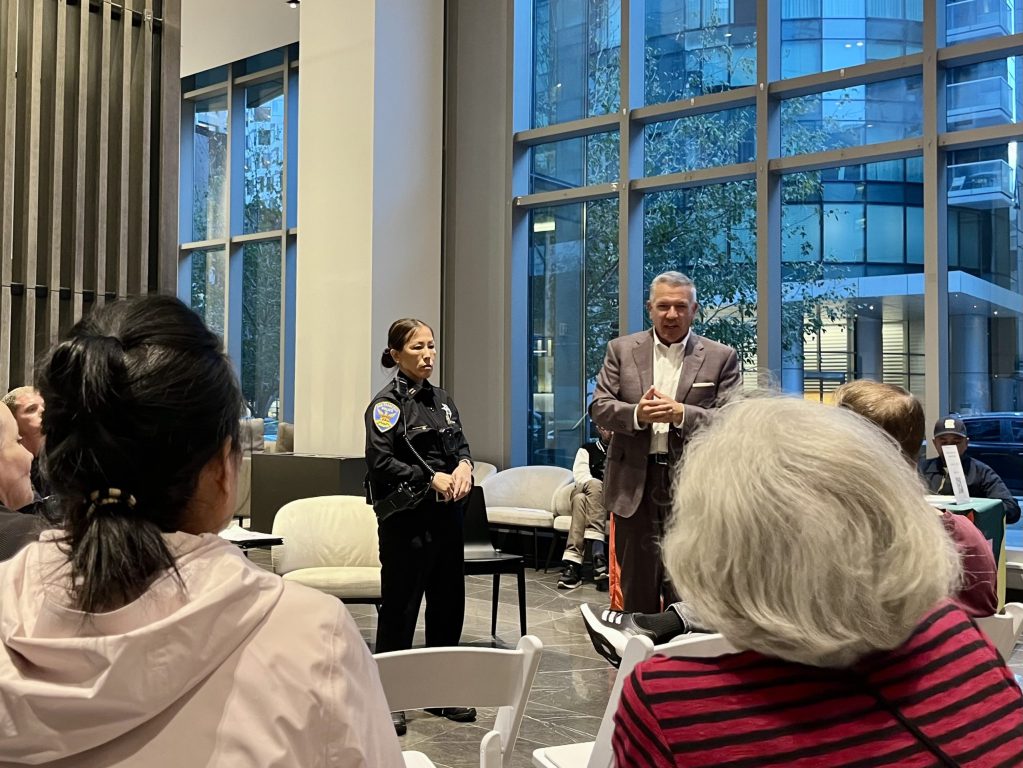
SoMa police station losing 4th captain since last June
By Marcus Chen
Advertisement · Why this ad?
Marcus manages the day-to-day editorial workflow across all brands, coordinating coverage assignments and ensuring editorial standards are met. He previously served as city editor at the Pioneer Press and holds a degree in Political Science from Carleton College.
More from Marcus →
San Francisco saw a dramatic rise in the number of children who were homeless, up 27% from two years ago, according to an analysis released this week by the Department of Homelessness and Supportive Housing. The number of children experiencing homelessness increased from 618 to 786. Of those, 190 were unsheltered, which the department defines as sleeping in tents, outdoors, vehicles or abandoned properties. That may be an undercount, however. The department noted in its report that, because the count was conducted during the early morning hours beginning at 6 a.m. until 10:30 a.m., “families traveling to school, young people sleeping in less visible locations, and people reporting to work” presented “challenges” to accurate data. The federally required point-in-time count is conducted in a single morning in January. The city’s analysis also showed that the number of people experiencing chronic homelessness increased 17% compared to 2024, while the number of people who became homeless for the first time increased by 15%. The count also showed that more people than ever are moving to San Francisco while already homeless. About 44% of people counted in January were homeless before coming to the city, the count showed, and nearly a third said accessing city services was a draw. “People come to San Francisco quite often because of the services that are available,” said Steve Good, the former CEO of the Bayshore Navigation Center, a homeless shelter. He said living outside San Francisco can be a challenge for homeless adults and families. Overall, however, homelessness decreased 4% from 8,323 in 2024 to 7,973 in 2026, and the number of unsheltered homeless counted decreased even more by 22%. The count is not comprehensive and serves as a snapshot. The numbers should be taken with caution: The city’s homelessness department changed when it conducts its count this year to the early morning. In prior years, the count was done at night. That means individuals at school and work might be missed, for example. Christin Evans, who previously sat on the city’s homelessness commission, said using the count to measure changes was like comparing “apples and oranges.” She said the count, especially of families with children, could be higher. Overall, the increase in the number of homeless children tracks with a preliminary report of the count released in May showing a 15% increase in the number of homeless families. The department connects the increasing number of homeless children to this figure, but also the growing size of homeless households. The number of people in households with children grew 34% from 1,103 in 2024 to 1,474 in 2026. The report is “horrifying, but in no way surprising,” said Tuesday Rose Thornton, an eviction defense attorney. “I’m watching it happen every day in court,” she said, pointing to landlords who she says use illegal tactics to push families out of apartments to raise the rent. Evictions in San Francisco are on the rise as rental costs have shot up . San Francisco’s biennial “Point-In-Time Count” is meant to provide a one-time snapshot of the number of unsheltered adults and families on San Francisco’s streets and in its shelters. Those who work with homeless people say the count is generally an undercount, and does not include the number of people who filter in and out of the city, or simply were not present on that January morning, including families at work or school. San Francisco’s year-end total of its homeless population in 2025, counting anyone who cycled through the homelessness system at some point, topped at 23,425, compared to the 7,973 counted on its streets in January. The report was scheduled to be released this summer but was delayed twice by leadership changes at the homelessness department. The report was listed on an Oct. 1 Homelessness Oversight Commission agenda , but was delayed for another month. It was instead released two days after the election. The new data , released Thursday, comes months after Lurie celebrated the overall drop in homelessness shown in the count. The increase in homeless families dates back to at least 2022, according to data from the Department of Homelessness and Supportive Housing. The city’s already exorbitant rents have grown by record numbers this year, with ensuing consequences. San Francisco’s Rent Board reported a 44% increase in evictions this year compared to last year. In September, the mayor declared a “rent emergency,” introducing legislation to increase by 25% the amount tenants receive if they are evicted through the Ellis Act. Officials with the city’s homeless department say they have made large strides to shelter more homeless families, including a permit program for families living in RVs and other large vehicles. They have expanded San Francisco’s relocation program, they said, and increased problem solving assistance, which includes case management. The number of sheltered individuals overall increased in 2026 compared to years past. “The findings underscore the significant regional demand on San Francisco’s homelessness response system,” said Deborah Bouk, a department representative. But at the same time, she said, the city is “making meaningful progress.”
By Marcus Chen
By Katherine Langford

By Katherine Langford
By Katherine Langford