
Technology
More Than $11 Million In Nvidia Hardware Stolen From Truck That Left Oakland
By Katherine Langford
Advertisement · Why this ad?
Katherine oversees editorial operations across all six brands. Before joining The Meridan Group, she spent 14 years at the Minneapolis Star Tribune, where she led the metro desk through its digital transformation. She holds a Master's in Journalism from Northwestern's Medill School.
More from Katherine →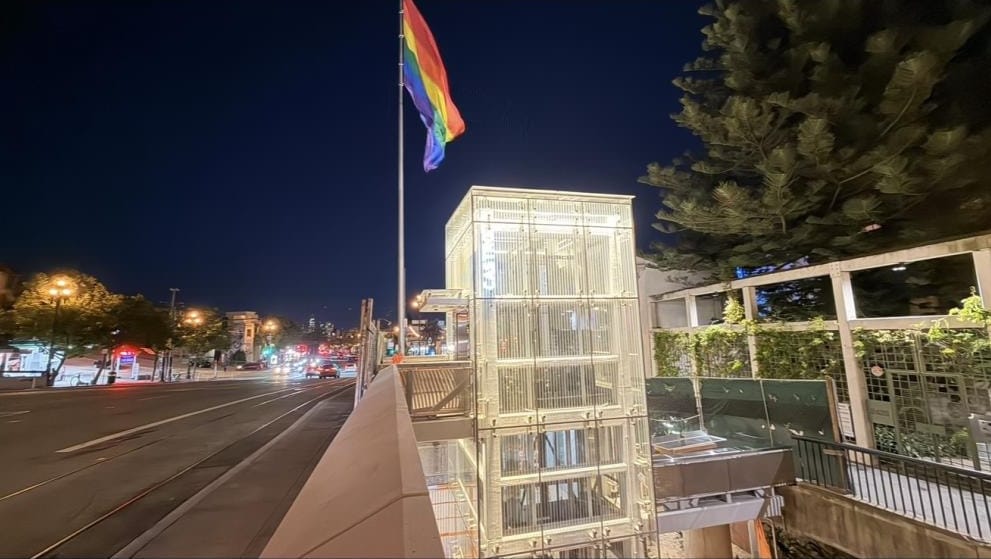
The whir of machinery, once a constant frustration for riders and neighbors alike, has finally ceased at the Castro Muni Station. After a protracted three-year construction process marked by design revisions, funding hurdles, and the unexpected need to replace glass panels, the station’s new elevator officially opened its doors Thursday morning. This long-awaited addition represents more than just improved accessibility; it signifies a renewed commitment to serving the needs of all San Franciscans, particularly those with mobility challenges and families navigating the vibrant heart of our city. The project’s completion is a testament to perseverance and a reminder that even the most complex civic undertakings can be realized with dedication and community support.
The Castro Muni Station, a vital transportation hub for a neighborhood brimming with history and culture, has long been a source of accessibility concerns. Prior to the installation of this new elevator, navigating the station presented significant challenges for individuals with disabilities, seniors, and parents with strollers. The original design, conceived years ago, proved inadequate as construction progressed, necessitating costly and time-consuming alterations. Securing the necessary funding also proved to be a complex process, requiring collaboration between the San Francisco Municipal Transportation Agency (SFMTA) and various city departments. The replacement of glass panels, a seemingly minor detail, added further delay to the project’s timeline, highlighting the intricate nature of modern construction and the importance of meticulous planning.
The three-year timeline reflects not only the technical complexities of the project but also the broader challenges facing San Francisco’s infrastructure. While the city strives to modernize its public transportation systems, it must contend with aging infrastructure, rising construction costs, and increasingly stringent environmental regulations. The completion of the Castro Station elevator serves as a crucial step in ensuring equitable access to public transportation for all residents, reinforcing the principle that every member of our community deserves the opportunity to move freely and independently. The SFMTA’s website provides detailed information on accessibility initiatives across the city's transit network.
“This elevator isn’t just about getting people to a platform; it’s about dignity and inclusion,” stated Supervisor Rafael Mandelman, whose district includes the Castro. “It’s about ensuring that everyone can participate fully in the life of our city.” The project’s completion underscores the importance of listening to community concerns and prioritizing investments that enhance the quality of life for all San Franciscans. The Castro neighborhood, known for its vibrant arts scene and historic significance, now welcomes visitors and residents alike with a renewed sense of accessibility and inclusivity.
The opening of the Castro Muni Station elevator arrives amidst a wave of economic changes impacting San Francisco’s commercial landscape. News emerged this week that a New York firm is poised to acquire most of the Westfield San Francisco Centre mall, raising concerns about the future of this downtown landmark. The potential for demolition and redevelopment underscores the challenges facing retail spaces in a post-pandemic world, as consumer habits evolve and businesses grapple with rising costs. While the prospect of a new mixed-use development offers the potential for revitalization, it also raises questions about the preservation of San Francisco’s unique character and the displacement of existing businesses.
The Westfield mall, once a bustling hub for shopping and entertainment, has experienced a decline in foot traffic in recent years, mirroring a broader trend impacting downtown areas across the country. The proposed redevelopment plan highlights the need for innovative approaches to urban planning and the importance of creating spaces that meet the evolving needs of residents and visitors. The San Francisco Chamber of Commerce advocates for policies that support local businesses and foster economic growth in the city.
The possibility of demolition, while concerning, also presents an opportunity to reimagine the role of the Westfield mall in the city’s future. A mixed-use development could incorporate residential units, office space, and community amenities, creating a more vibrant and sustainable urban environment. However, careful consideration must be given to the impact on existing businesses and the potential for displacement. The city’s commitment to affordable housing and equitable development will be crucial in ensuring that any redevelopment plan benefits all San Franciscans.
The joy of the elevator’s opening was tempered by a separate incident Thursday afternoon when an unauthorized person on the BART tracks at Balboa Park Station caused delays on the Red Line. This event, while thankfully not resulting in injury, underscored ongoing safety concerns within the transit system and the need for enhanced security measures. Such incursions disrupt service for thousands of commuters and pose a significant risk to public safety. BART officials are working to address these issues through increased patrols, improved signage, and public awareness campaigns.
The disruptions impacted service between San Francisco, Millbrae, Daly City, and the East Bay, causing significant delays for commuters. BART’s website provides real-time service updates and information on safety protocols. Maintaining a safe and reliable transit system is paramount to ensuring the economic vitality of the Bay Area and the quality of life for its residents. The incident serves as a reminder that vigilance and collaboration are essential to protecting the safety and security of our public transportation infrastructure.
Beyond the local headlines, Thursday brought news of significant volatility in the national economy. Wall Street experienced its worst single-day losses since April 2025, with the Nasdaq 100 plunging 6.3% and a staggering $2.3 trillion wiped out of market value. Investor anxieties surrounding potential increased regulation of the artificial intelligence (AI) industry following Democratic midterm victories fueled the downturn. The interconnectedness of global markets means that economic events in one region can have ripple effects across the nation and beyond.
The concerns surrounding AI regulation highlight the complex interplay between technological innovation and government oversight. While regulation can help mitigate potential risks associated with emerging technologies, it can also stifle innovation and hinder economic growth. Finding the right balance is crucial to ensuring that AI benefits society as a whole. The U.S. Department of Commerce plays a key role in shaping technology policy and promoting innovation.
Across the state, the political landscape is also undergoing shifts. Nithya Raman’s unexpected victory in the race for mayor of Los Angeles, defeating incumbent Karen Bass with support from the LA chapter of the Democratic Socialists of America, marks a significant moment in California politics. Raman’s late entry into the race and her campaign’s initial status as a long shot underscore the unpredictable nature of electoral contests and the power of grassroots movements.
Raman’s victory signals a potential shift in priorities for Los Angeles, with a focus on issues such as affordable housing, climate change, and social justice. While the challenges facing Los Angeles are significant, Raman’s commitment to community engagement and her innovative policy proposals offer a glimmer of hope for a more equitable and sustainable future. The city’s website provides information on the new administration’s initiatives.
The opening of the Castro Muni Station elevator, while a cause for celebration, also serves as a reminder of the ongoing work required to build a truly inclusive and accessible city. The challenges facing San Francisco – from economic uncertainty to safety concerns – demand a renewed commitment to community engagement, collaboration, and responsible governance. Strong families and vibrant communities are the bedrock of a thriving society, and it is through shared effort and unwavering dedication that we can overcome these challenges and build a brighter future for all.
The resilience of the Castro neighborhood, the dedication of the SFMTA workers who brought this project to fruition, and the unwavering commitment of San Franciscans to creating a more equitable city – these are the values that define our community. As we navigate the complexities of the 21st century, let us remember the importance of perseverance, compassion, and a steadfast belief in the power of collective action. The American dream, rooted in hard work and opportunity, remains within reach for those who embrace these values.
For further information on accessibility resources and community support programs, please visit the City of San Francisco’s website sf.gov and the San Francisco Human Services Agency hsa.sf.gov.
By Katherine Langford

By Katherine Langford

By Katherine Langford
By Katherine Langford