Community
Vote!
By Katherine Langford
Advertisement · Why this ad?
Katherine oversees editorial operations across all six brands. Before joining The Meridan Group, she spent 14 years at the Minneapolis Star Tribune, where she led the metro desk through its digital transformation. She holds a Master's in Journalism from Northwestern's Medill School.
More from Katherine →
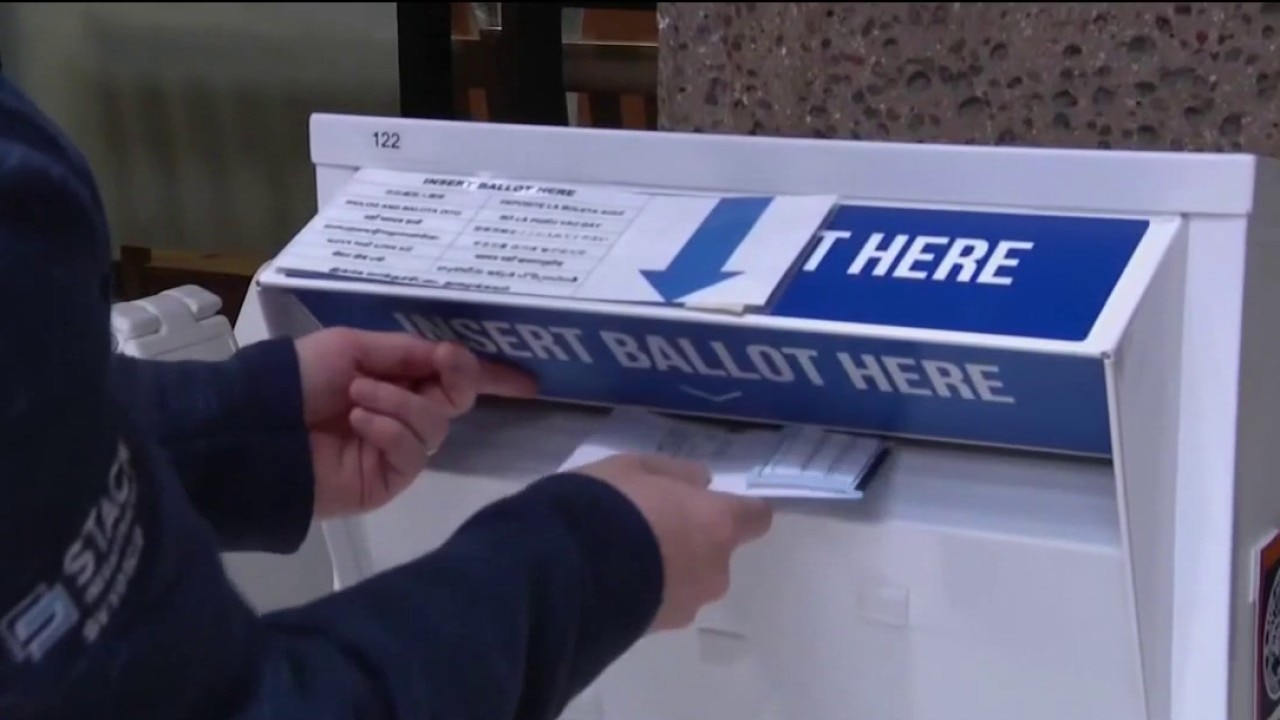
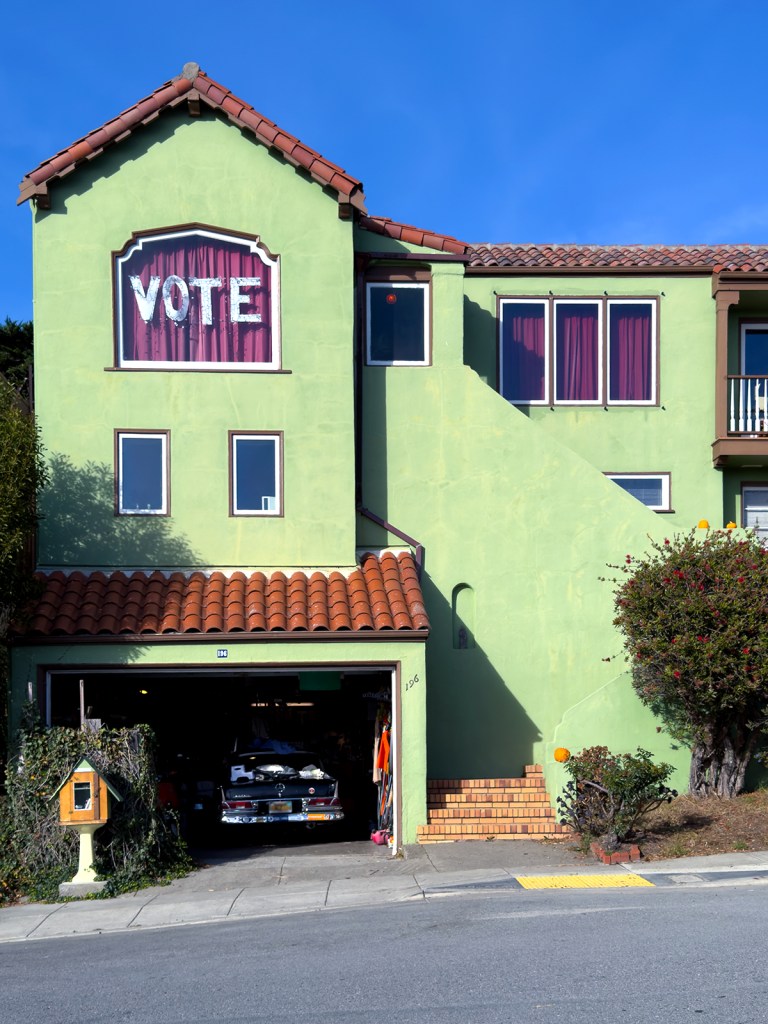
As dawn broke over San Francisco, the city stirred with anticipation, a palpable energy coursing through its streets. Voters emerged from their homes, clutching ballots that held the power to shape the future of their neighborhoods and the city at large. Among them was Maria Gonzalez, a lifelong resident of the Mission District, who stood in line at her local polling place, reflecting on the importance of this day. "Every vote counts," she said, her voice a blend of hope and determination. "We are not just voting for ourselves, but for our families and the future of our community." It is Election Day in San Francisco, a day that will determine not only the city’s leadership but also its approach to pressing issues such as transportation, housing, and community development.
Today, San Francisco voters are faced with a series of significant decisions, including the fate of the Great Highway, several supervisor seats, and the city’s next congressional representative. Polling places across the city opened early, and reports indicate a steady stream of voters. The Department of Elections is prepared to provide updates throughout the day, with the first batch of results expected around 8:45 PM. The stakes are high as issues like Proposition G, which seeks to close Sunset Dunes Park and restrict vehicle access to the Great Highway, are on the ballot for the third time in three years.
In addition to local measures, the congressional race between incumbent Senator Scott Wiener and Supervisor Connie Chan is drawing particular attention. Each candidate represents distinct visions for San Francisco’s future, with Chan focusing on community-driven policies while Wiener emphasizes urban development. The outcome of this race could significantly influence the city’s direction, especially regarding housing and transportation policies.
This election comes at a time when San Francisco is grappling with numerous challenges, from rising housing costs to public transportation issues. Voter turnout is crucial, as it often reflects the engagement of various demographic groups within the city. Historically, areas like District 8, which includes The Castro and Noe Valley, have seen high turnout, while other districts may struggle to mobilize their voters.
As ballots were mailed out, the political landscape shifted dramatically when Manny Yekutiel, a frontrunner in District 8, suspended his campaign amid allegations of misconduct. This development has left many voters uncertain about their choices, as Yekutiel’s name remains on the ballot. Political analysts are closely monitoring how this might impact the overall election results, particularly in terms of voter behavior and preferences.
The implications of this election extend beyond individual races. For residents like Maria Gonzalez, the decisions made today will affect community resources, public services, and the overall quality of life in San Francisco. The proposed measures, particularly those regarding transportation funding, will directly influence how residents navigate their city. Proposition H, which seeks to levy a parcel tax to fund Muni, is seen as a critical step towards improving public transit, while the Regional Transit Measure aims to provide broader support across the Bay Area.
Moreover, the outcome of the Great Highway measures could set a precedent for future urban planning initiatives. San Francisco’s unique geography and community-oriented approach to development mean that voters are not just electing representatives; they are actively shaping the city’s landscape. Residents are particularly concerned about the environmental implications of traffic and urban sprawl, and the decisions made today will resonate for years to come.
As the day progresses, voter turnout remains a focal point. Early reports indicate a steady flow of participants at polling places, but the true measure of engagement will be revealed in the final counts. Analysts are particularly interested in which demographic groups are showing up to vote and how their preferences align with the candidates and measures on the ballot.
Polling data suggests that high turnout could favor candidates like Connie Chan, who has strong support among progressive voters. However, the intricate dynamics of San Francisco’s electoral landscape mean that turnout alone does not guarantee success. The city’s diverse population and varying priorities make it essential for candidates to connect with their constituents on a personal level.
Community organizations, such as the San Francisco League of Women Voters and various local advocacy groups, have been mobilizing efforts to encourage turnout. They have hosted workshops and informational sessions, particularly in historically underrepresented neighborhoods, to ensure that all voices are heard. For many, this election is not just about individual candidates but about the broader implications for social justice and equity in the city.
As the evening approaches and results begin to trickle in, the atmosphere in San Francisco is charged with anticipation. Candidates and their supporters are gathering at election night parties, awaiting the outcomes that will determine their political futures. For many, this election represents not just a contest of votes, but a referendum on the values and priorities of the city.
The importance of family and community resonates deeply within the fabric of San Francisco, and voters are keenly aware that their choices today will impact generations to come. The collective hope is that the elected leaders will prioritize policies that strengthen families, enhance community engagement, and foster a sense of belonging among residents.
In the days following the election, as results are finalized and the implications of the voters' decisions become clear, San Francisco will face new challenges and opportunities. The community will need to come together to support its leaders and ensure that the promises made during the campaign translate into meaningful action. The resilience and commitment of San Francisco’s residents will be crucial as they navigate the path ahead.
Once the dust settles, residents will have the opportunity to reflect on the outcomes and their implications. Whether the measures pass or fail, community forums will likely emerge to discuss the results and what they mean for the future. Activists and concerned citizens will gather to analyze the data, share insights, and strategize on how to advocate for their priorities moving forward.
Moreover, the election results may prompt a reevaluation of strategies among candidates and political organizations, especially those who may not have succeeded in this round. The community is likely to see renewed discussions on issues like housing affordability, public safety, and environmental sustainability, as these topics remain at the forefront of San Francisco’s collective consciousness.
Ultimately, this election is a reminder of the power residents hold in shaping their city. The participation of each voter contributes to the democratic process, and the conversations sparked by today’s outcomes will continue to resonate in San Francisco long after the ballots are counted.