Community
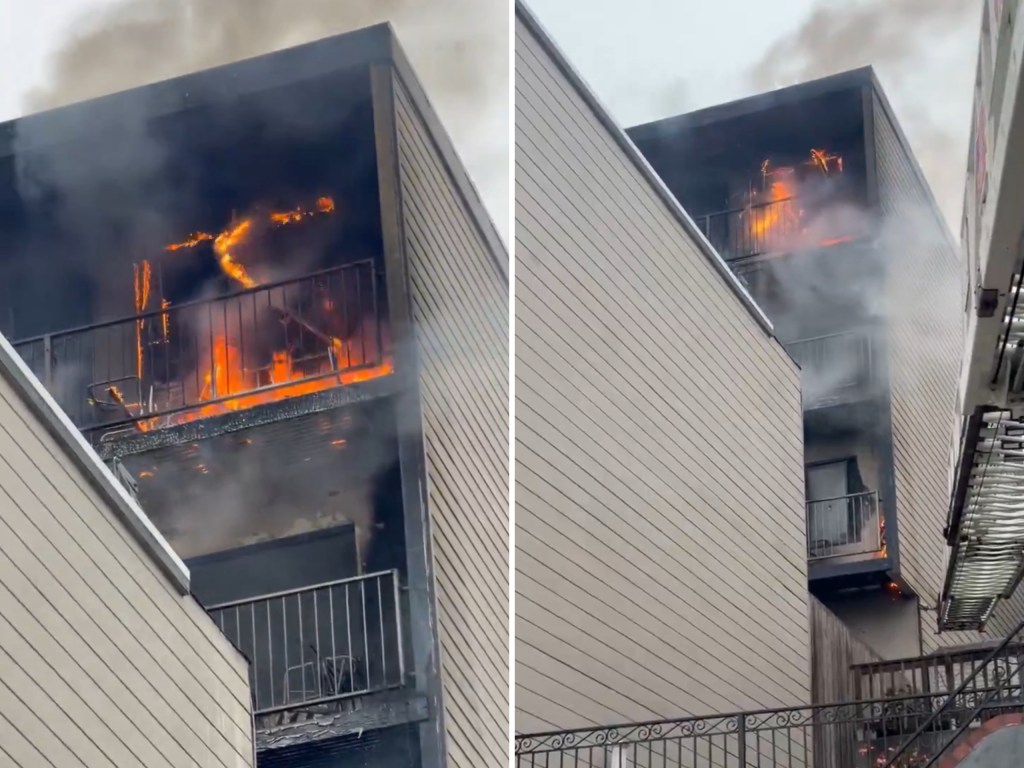
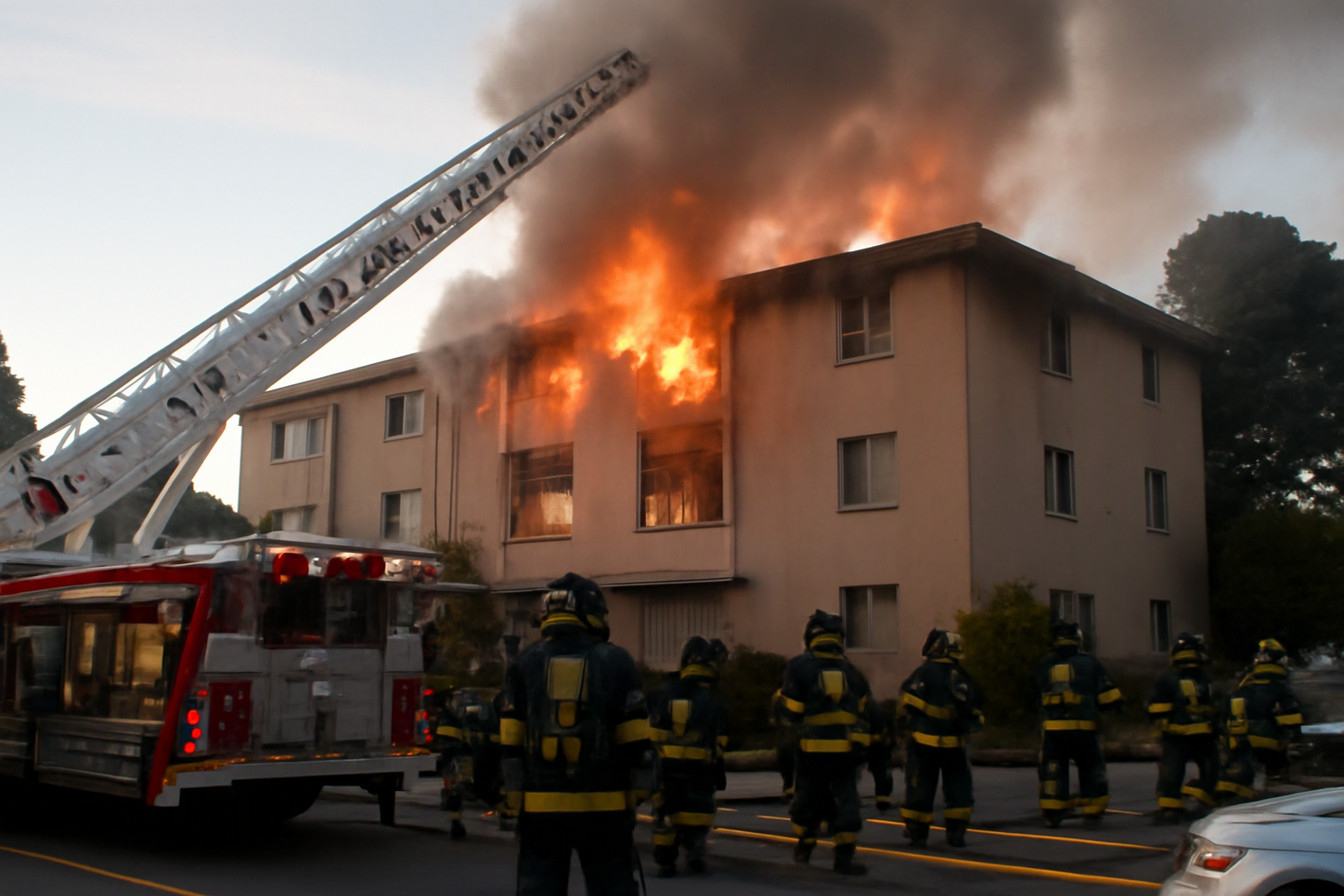
More than 100 S.F. firefighters subdue Twin Peaks apartment building blaze
By Katherine Langford
Advertisement · Why this ad?
Marcus manages the day-to-day editorial workflow across all brands, coordinating coverage assignments and ensuring editorial standards are met. He previously served as city editor at the Pioneer Press and holds a degree in Political Science from Carleton College.
More from Marcus →
As the sun set over San Francisco, cheers erupted from a crowd gathered outside City Hall, where the results of the latest ballot measures were being announced. Among the jubilant faces was Manav Patel, a passionate volunteer who dedicated months to advocating for better transit. "Oh my God. I’m so happy," he exclaimed, reflecting the collective relief of a city on the brink of a transit crisis. With Proposition H leading with an impressive 72% of the vote and Regional Transit Measure RTM passing with 61% across five counties, San Francisco residents sent a clear message: public transit is a priority.
San Francisco’s Proposition H, a critical parcel tax aimed at rescuing Muni from financial ruin, garnered overwhelming support in the recent election. The measure, which imposes an annual tax on residential and commercial properties for 15 years, is projected to raise $177 million annually. Meanwhile, the Regional Transit Measure RTM, which increases sales taxes across five Bay Area counties, is expected to generate nearly $1 billion each year for transit agencies like BART and Muni. This dual victory offers a lifeline to a transit system battered by the pandemic and shifts in work habits.
The pandemic's impact on public transit has been profound, with ridership plummeting due to remote work and closures. This crisis left both the San Francisco Municipal Transportation Agency and BART facing dire financial challenges. Without these measures, local transit systems risked significant service cuts, including the potential closure of multiple BART stations and drastic reductions in Muni service.
Support for both measures came from a broad coalition of businesses, elected officials, and transit advocates. They recognized that without these funds, the Bay Area's economy would suffer. The campaign for Prop. H raised over $5 million from local businesses, including tech giants like OpenAI and Airbnb, while RTM supporters collected more than $7.5 million from contributors such as Salesforce and Meta.
The community's response to the election results was overwhelmingly positive. Brian Davis, a resident who actively campaigned for both measures, expressed his relief at the outcome. He noted that losing public transit would have been "tragic" for the community, emphasizing the importance of reliable transportation for residents and businesses alike. The measures not only promise to stabilize transit services but also to foster job creation and economic growth.
Proposition H, specifically, is expected to create at least 800 jobs and boost the city’s gross domestic product by $310 million over the next 15 years. This projection is crucial for a city striving to recover from the economic downturn caused by the pandemic. Many residents see the passage of these measures as a step towards revitalizing San Francisco's downtown, which has struggled to regain its footing.
Moreover, the overwhelming support for these measures reflects a shared commitment among San Francisco residents to invest in their community. The fact that Prop. H and RTM faced little to no organized opposition indicates a strong consensus on the necessity of maintaining robust public transit systems. This unity is a testament to the resilience of the community and their willingness to come together for a common cause.
The success of Proposition H and Regional Measure RTM is a significant victory for transit advocates. Many local leaders have hailed the results as a turning point for public transportation in the Bay Area. San Francisco Mayor London Breed praised the measures, stating that they are essential for ensuring the city’s transit systems can thrive in the future. “These measures will help secure the future of our public transit and support our economy,” she remarked.
Transit advocates believe these measures will not only preserve existing services but also allow for improvements in the future. With the funds generated from these taxes, there is hope for enhanced connectivity, better service reliability, and the potential expansion of transit options throughout the Bay Area. This vision for the future is vital for a city that has long relied on public transit as a backbone of its infrastructure.
With the passage of Proposition H and Regional Measure RTM, the focus now shifts to implementation. The San Francisco Municipal Transportation Agency will begin to outline plans for how the funds will be allocated, ensuring that the promised improvements and job creation become a reality. The city controller’s office has already indicated that the parcel tax will be structured to vary based on property usage and size, with single-family homes starting at $129 per year.
Meanwhile, the additional sales tax from RTM will be distributed among various transit agencies, including BART, Muni, and Caltrain. This collaborative approach aims to create a more integrated transit system across the region, benefiting commuters and residents alike. The hope is that these measures will not only stabilize the current situation but also lay the groundwork for a more sustainable and efficient public transit network.
Looking ahead, the success of these measures could serve as a model for other regions facing similar challenges. As cities grapple with the ongoing effects of the pandemic, the Bay Area's proactive approach to funding transit could inspire similar initiatives elsewhere. The resilience demonstrated by San Francisco residents in supporting these measures is a reminder of the importance of community commitment to shared resources and infrastructure.
Among those who supported the measures were local business owners who rely on public transit to bring customers to their shops. Maria Gonzalez, owner of a small café in the Mission District, shared her thoughts: “Without Muni, my business would struggle even more than it already is. I’m grateful for the community’s support in passing these measures.” Maria's story exemplifies the interconnectedness of public transit and local economies.
Residents like James Lee, a college student who uses public transit daily, echoed similar sentiments. “I depend on BART to get to school and work. It’s not just about convenience; it’s about access to opportunities,” he stated. James's perspective highlights how essential public transit is for young people and students in the Bay Area, who often juggle multiple responsibilities.
Furthermore, community organizations played a pivotal role in mobilizing voters. Groups like the San Francisco Transit Riders Union organized outreach efforts, ensuring that residents understood the importance of these measures. Their grassroots campaigns were instrumental in rallying support, particularly among communities that rely heavily on public transit.
In conclusion, the passage of Proposition H and Regional Measure RTM marks a significant milestone for San Francisco and the broader Bay Area. These measures reflect a collective understanding that public transit is essential for a thriving economy and community. As the city moves forward, the hope is that these investments will lead to a revitalized transit system that supports families, businesses, and the very fabric of the community.
By Katherine Langford

By Katherine Langford
By Marcus Chen
By Marcus Chen