
Sports
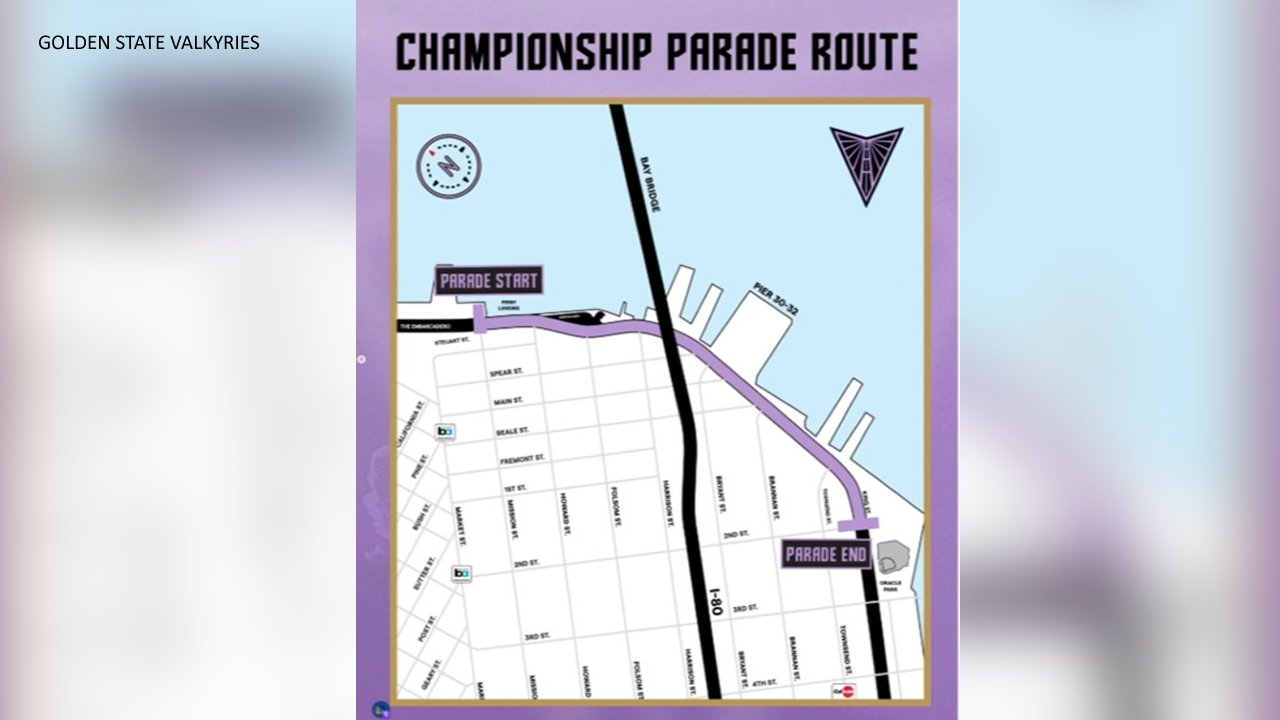
Valkyries victory parade: Bay Area transit agencies prepare for crowds Wednesday
By Katherine Langford
Advertisement · Why this ad?
Katherine oversees editorial operations across all six brands. Before joining The Meridan Group, she spent 14 years at the Minneapolis Star Tribune, where she led the metro desk through its digital transformation. She holds a Master's in Journalism from Northwestern's Medill School.
More from Katherine →
In the heart of San Francisco, a small tan dog named Anchovy Jack captured the community's heart and imagination as he roamed freely, evading capture for weeks. Newly adopted and still recovering from surgery to remove his right eye, Jack's escape from his new home became a saga that spanned several neighborhoods, highlighting the resilience of both the dog and the community that rallied to bring him back.
Anchovy Jack's journey began shortly after he was adopted through an East Bay organization, where he had spent time living on the streets. Just days after undergoing surgery and neutering, Jack slipped away from his new home, igniting a frantic search by his adoptive family and San Francisco Animal Care and Control (SFACC). The agency's efforts to locate him were met with numerous sightings across the city, including the Sunset, Richmond, Golden Gate Park, the Marina, and even Marina Green.
Despite the best efforts of Animal Control Officers and concerned residents, Jack's skittish nature and remarkable agility made him difficult to catch. SFACC took to social media to communicate with the public, urging residents not to chase the frightened dog, as doing so could lead to dangerous situations, including potential traffic hazards. Instead, they asked for sightings to be reported through designated channels, allowing officers to coordinate their efforts more effectively.
As the days turned into weeks, the search for Anchovy Jack became a community effort. His story resonated not only with dog lovers but also with those who appreciated the bond between pets and their families. The urgency of the situation was palpable, as Jack's well-being hung in the balance.
The community's response to Anchovy Jack's plight was nothing short of inspiring. Residents across San Francisco shared updates and sightings on social media, creating a grassroots support network that kept the search alive. Many expressed their concern for the one-eyed dog, hoping for his safe return. The SFACC's posts garnered significant attention, even catching the eye of major media outlets like the Los Angeles Times.
As the search intensified, local volunteers stepped up to assist in the efforts. Susan Packer, a Bay Area lost-pet recovery specialist, was contacted by SFACC to lend her expertise. Packer, who runs K9Reunite, mobilized a group of volunteers who were eager to help locate Jack without further frightening him. This collaborative effort showcased the power of community in action, as people came together with a common goal: to bring Anchovy Jack home.
Packer's approach differed from the traditional chase. Instead of pursuing Jack directly, she and her team focused on documenting sightings and establishing a pattern of his movements. This strategy allowed them to understand where Jack felt safe and where he was most likely to be found. The volunteers maintained a respectful distance, ensuring that Jack did not feel threatened or cornered.
As the weeks passed, Jack's movements became more predictable. Packer's diligence paid off when she was able to devise a containment plan. She remained in San Francisco day and night, ready to respond to any sightings immediately. This level of commitment underscored the deep bond that can form between humans and animals, reinforcing the idea that every pet deserves a loving and safe home.
Finally, after weeks of tireless efforts, Anchovy Jack was captured. The breakthrough came when he wandered into a humane trap set up by Packer and her team. The capture was a moment of relief and celebration, not just for the volunteers but for the entire community that had been following Jack's story. Packer notified the on-duty Animal Control Officers, who were ready to receive the little dog upon his arrival at SFACC.
Once back at the shelter, Jack was examined by veterinary staff, who confirmed that he was healthy and ready to begin the next chapter of his life. He was provided with a comfortable bed and toys, a stark contrast to the uncertainty he had faced while roaming the streets. However, it was also announced that Jack would not be returning to his previous adoptive home.
SFACC indicated that Anchovy Jack would need to be placed in a foster home through a specialized rescue group, where he could decompress and adjust after his harrowing experience. The shelter emphasized the importance of finding a new home that could accommodate Jack's need for activity and a stable environment, ensuring that he would not face the same challenges again.
This development highlights a critical aspect of pet adoption: the importance of matching animals with suitable families that understand their unique needs. Anchovy Jack's story serves as a reminder that the journey to finding a forever home can be complex, but it is essential for the well-being of both pets and their families.
The community's involvement in Anchovy Jack's recovery underscores the significance of local resources available for pet owners. Organizations like SFACC and K9Reunite play vital roles in ensuring the safety and well-being of lost pets. Their expertise and dedication can make a significant difference in the lives of animals and their families.
For residents looking to support local animal welfare initiatives, there are numerous ways to get involved. Volunteering at shelters, fostering pets, or simply spreading the word about lost animals can help create a network of support for pets in need. Additionally, resources like the San Francisco Animal Care and Control and various local rescue organizations provide valuable information for pet owners.
As Anchovy Jack prepares for his next journey, the community remains hopeful that he will soon find a loving home where he can thrive. His story serves as a powerful reminder of the resilience of animals and the capacity for communities to come together in times of need.
The saga of Anchovy Jack may have reached a conclusion, but it leaves behind an important message about the responsibilities of pet ownership and the need for community engagement in animal welfare. As we reflect on Jack's journey, it is vital to consider the role that families play in nurturing and caring for their pets, fostering environments where animals can feel safe and loved.
In a world where pets often become beloved family members, it is essential to recognize the commitment required to ensure their well-being. Strong families, built on love and responsibility, can create lasting bonds that benefit both humans and animals alike. As Anchovy Jack awaits his new beginning, may his story inspire others to embrace the joy of pet ownership while remaining vigilant in their responsibilities.
By Katherine Langford
By Katherine Langford
By Katherine Langford

By Katherine Langford