
Government
Measure RTM seeks to fund Bay Area transit amid concerns about cuts
By Marcus Chen
Advertisement · Why this ad?
Marcus manages the day-to-day editorial workflow across all brands, coordinating coverage assignments and ensuring editorial standards are met. He previously served as city editor at the Pioneer Press and holds a degree in Political Science from Carleton College.
More from Marcus →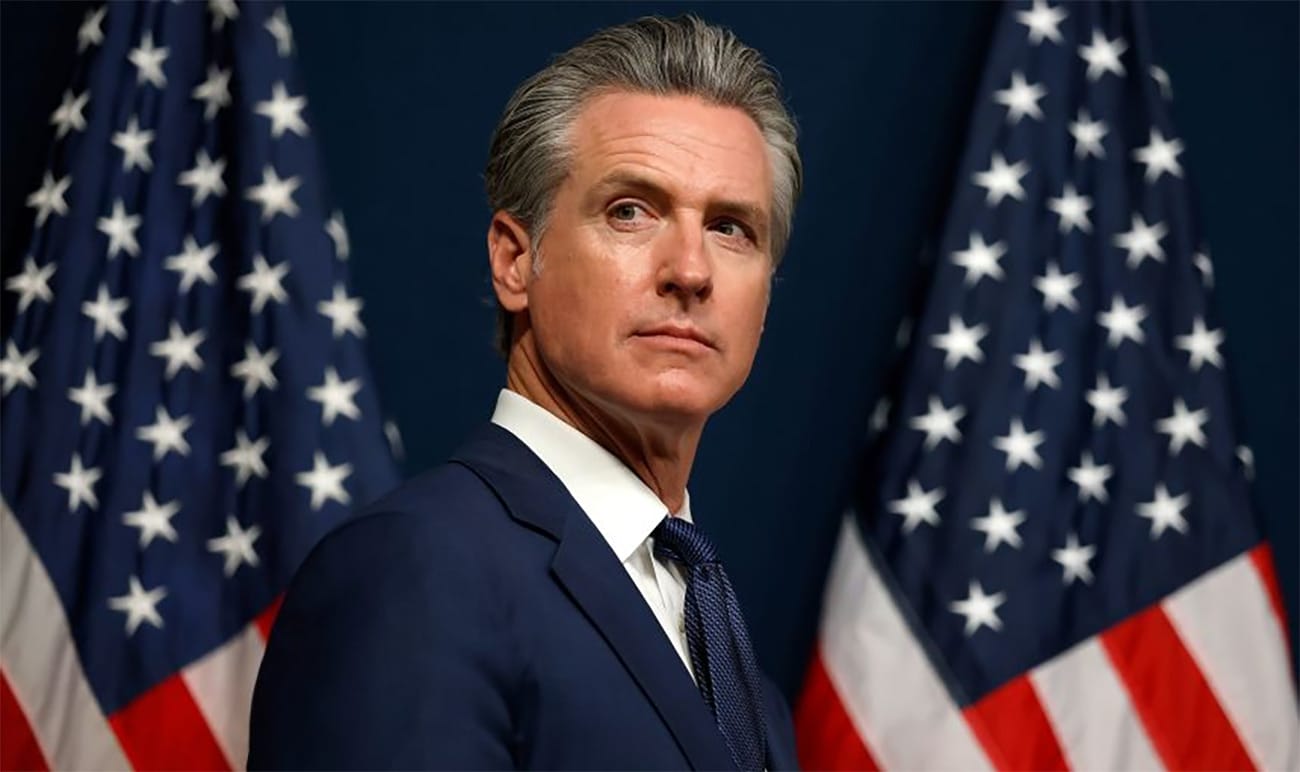
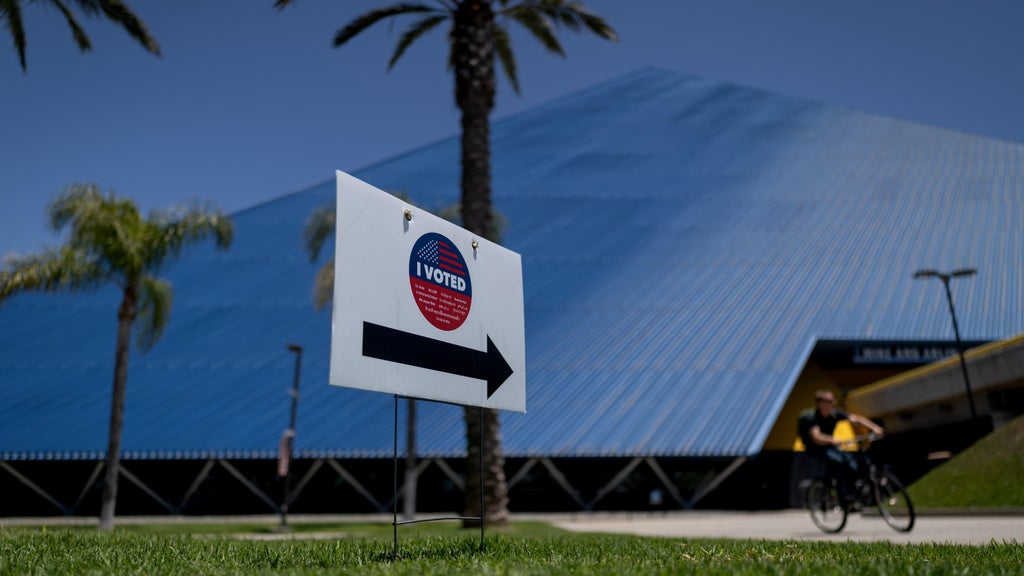
As Election Day dawned in San Francisco, the city buzzed with anticipation over who would succeed the iconic Nancy Pelosi in Congress. The stakes were high, and the tension palpable, especially with Governor Gavin Newsom's unexpected silence on endorsements. With a legacy of political ties and influence, his decision—or lack thereof—has left many speculating about the motivations behind it.
Governor Gavin Newsom had previously indicated he would endorse a candidate in the race for California's 11th Congressional District, yet as the polls opened, he refrained from doing so. This decision surprised many, given his longstanding relationship with former San Francisco supervisor and current state Senator Scott Wiener, who is vying for the position against current SF Supervisor Connie Chan.
The race has been characterized by its contentious nature, with Wiener leading the charge after a strong showing in the June primary. Polls have indicated a close contest, with Chan appealing to the influential Chinese American electorate and the progressive bloc of voters in San Francisco.
Wiener has garnered endorsements from numerous prominent organizations, including the San Francisco Chronicle and the California Democratic Party. His support base extends to labor unions, environmental groups like the Sierra Club, and various LGBTQ+ advocacy organizations such as the Human Rights Campaign. Meanwhile, Chan has rallied endorsements from Pelosi herself, Senator Adam Schiff, and a range of progressive supervisors, showcasing her strong backing from the party's left flank.
Newsom's decision to abstain from endorsing has raised eyebrows, particularly among political analysts who suggest that it reflects a delicate balancing act. By not choosing sides, he avoids alienating either candidate, particularly if Chan's campaign gains momentum among voters.
Pelosi's influence looms large over this race. Her endorsement of Chan may signify a strategic move to consolidate support among progressive voters and the Asian American community. Chan's campaign has been bolstered by endorsements from the Rose Pak Asian American Club and the Harvey Milk Democratic Club, which further underscores her appeal within these key demographics.
As the election unfolds, the question remains: how will Newsom's absence from the endorsement fray impact the candidates? Political observers note that while Wiener enjoys a solid lead in early polling, Chan's coalition-building efforts could make the race considerably tighter as Election Day approaches.
Scott Wiener, a well-known figure in San Francisco politics, has positioned himself as a progressive champion, advocating for housing reform and social justice issues. His alignment with the California Democratic Party and various labor unions has solidified his reputation as a viable candidate for the congressional seat.
On the other hand, Connie Chan has emerged as a formidable contender, particularly among the city’s Chinese American voters. Her endorsements reflect a strategic alignment with influential figures who have long been part of the city's political landscape. This connection could prove pivotal in mobilizing voters who prioritize representation and advocacy for their community.
Wiener’s campaign has emphasized his track record and the support of established political entities, while Chan’s strategy appears to focus on grassroots mobilization and building a diverse coalition that resonates with the city’s evolving demographics.
The outcome of this congressional race is not just a matter of political maneuvering; it has significant implications for San Francisco’s diverse communities. The candidates' positions on critical issues such as housing, healthcare, and social justice will shape the future of the district and its residents.
For many voters, the choice between Wiener and Chan represents more than just party affiliation; it embodies a vision for San Francisco’s future. As both candidates engage with constituents, their ability to connect on a personal level will be crucial in swaying undecided voters.
Community leaders have expressed the importance of this election, emphasizing the need for representation that reflects the city’s demographics. The engagement of the Chinese American electorate, in particular, could shift the balance of power in a race that has already seen significant voter turnout.
Local community organizations have been actively involved in the campaign, hosting forums and events to educate voters about the candidates' platforms. Organizations like the Chinese Progressive Association and the Asian Pacific American Labor Alliance have played a vital role in mobilizing voters and ensuring that the voices of the Asian American community are heard. Their efforts highlight the importance of cultural representation in politics, especially in a district that has seen a significant demographic shift over the years.
Moreover, the youth vote has been a focal point for both campaigns. With a growing number of young voters in San Francisco, both Wiener and Chan have tailored their messages to resonate with this demographic. Issues such as affordable housing, climate change, and social equity are at the forefront of their campaigns, appealing to a generation that is increasingly engaged in civic matters.
As the dust settles after Election Day, the political landscape of San Francisco is poised for transformation. The results of this race will not only determine Pelosi's successor but also signal the direction of the Democratic Party in California.
Gavin Newsom’s decision to remain neutral may have ramifications that extend beyond this election cycle. His ties to both candidates could influence future political dynamics in the state. As he navigates the complexities of his role as governor, the implications of his choices will be scrutinized closely by both supporters and critics.
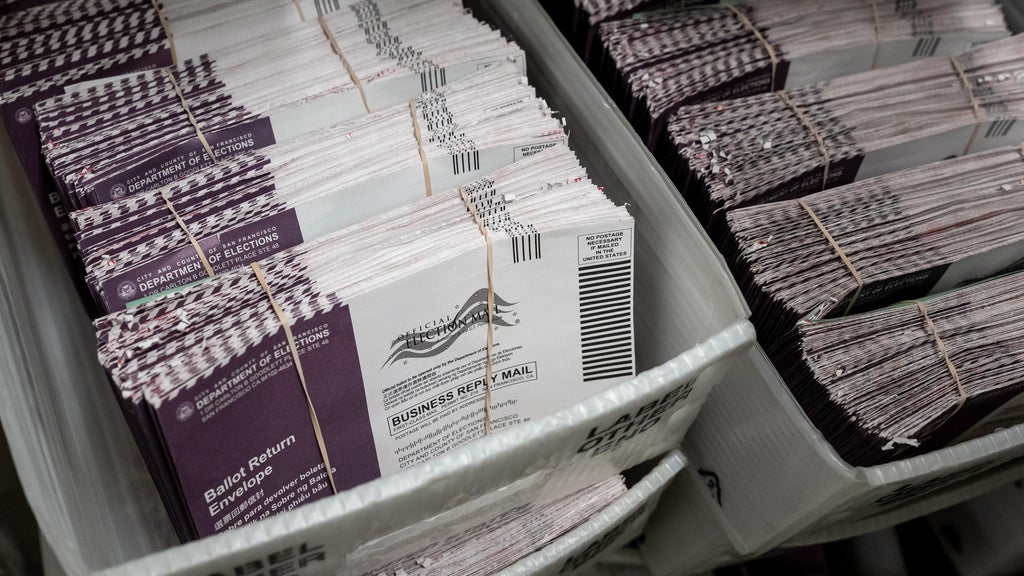
In the coming days, as ballots are counted and results are tallied, the community will watch closely. The outcome will not only reflect the political will of San Francisco but also the values and priorities of its residents. With the potential for significant shifts in representation, the stakes are higher than ever for this vibrant city.
In the aftermath of the election, both candidates will likely focus on unifying their supporters, regardless of the outcome. For Wiener, a victory would mean continuing his work on housing and LGBTQ+ rights at the federal level, while Chan would aim to bring her community-focused approach to Congress. The broader implications of this race will resonate beyond San Francisco, as both candidates represent a shift towards a more inclusive and representative political landscape.
As the new representative settles into office, their ability to work across party lines and engage with constituents will be crucial in addressing the pressing issues facing the district, from homelessness to climate change. The community will be looking for a leader who not only understands their needs but also actively advocates for policies that promote equity and justice.
By Marcus Chen
By Marcus Chen

By Katherine Langford
By Marcus Chen