Community
Live: Election Day dispatches from across San Francisco
By Katherine Langford
Advertisement · Why this ad?
Katherine oversees editorial operations across all six brands. Before joining The Meridan Group, she spent 14 years at the Minneapolis Star Tribune, where she led the metro desk through its digital transformation. She holds a Master's in Journalism from Northwestern's Medill School.
More from Katherine →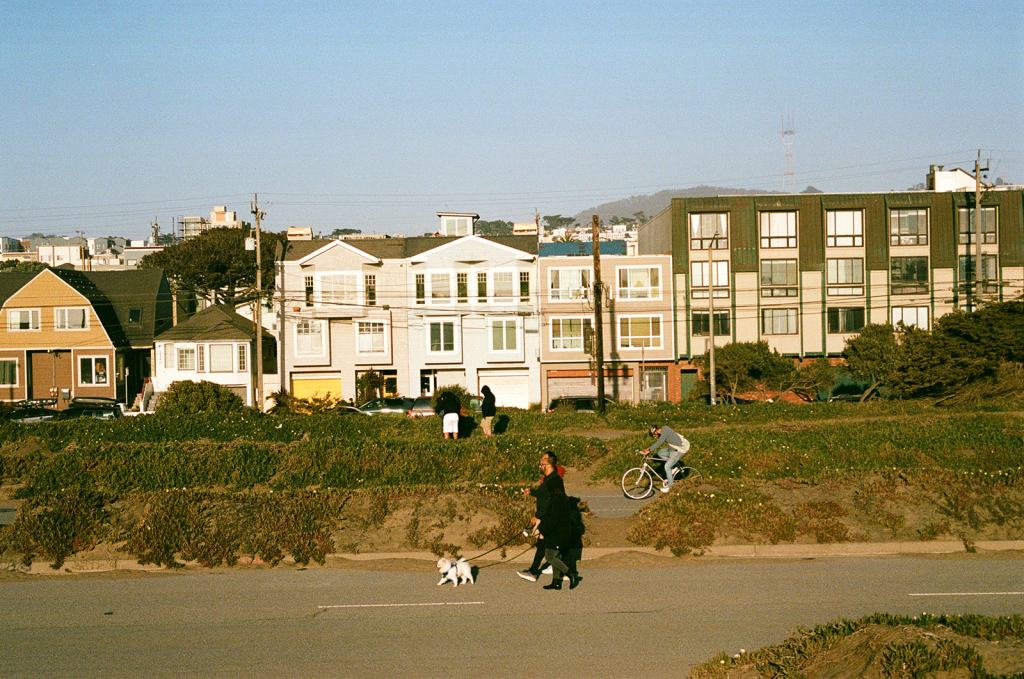
As the sun rose over the Pacific Ocean, casting a golden hue on the sands of Sunset Dunes Park, residents lined up at polling stations, their faces a mix of hope and resignation. Among them was Elizabeth Boyarsky, a dedicated Westside resident for 25 years, who expressed her fatigue over the ongoing debate surrounding Proposition G, a measure that sought to reopen the Upper Great Highway to vehicles on weekdays. "I’m just so sick of it. Let’s just put this to rest, people. We have bigger fish to fry," she declared, embodying the sentiments of many who have witnessed this contentious issue unfold over the years.
Proposition G, which aimed to bring cars back to the Upper Great Highway, is facing a significant defeat, with early results indicating that 63% of voters are opposed to the measure. This proposal emerged after a grassroots effort garnered over 15,000 signatures, reflecting a strong desire from some residents for vehicular access to the scenic roadway. However, as has been the case in previous elections, convincing the broader San Francisco electorate has proven to be an uphill battle.
The push to reopen the highway has been met with staunch opposition, particularly from the nonprofit organization Friends of Sunset Dunes, which has mobilized community support to preserve the park's tranquil environment. The organization raised over $821,000 in donations for the campaign against Prop. G, significantly outpacing the $157,000 collected by its proponents.
This latest attempt to reopen the highway follows a pattern of similar initiatives, including a failed attempt in 2022 (Proposition I) and a successful bid in 2024 (Proposition K) to permanently close the road to vehicles. The latter measure, championed by former Supervisor Joel Engardio, ultimately cost him his position in a subsequent recall election.
The community's response to Prop. G reflects a deep divide among residents, with many viewing the park as an essential public amenity that should remain vehicle-free. Weekend after weekend, advocates for Sunset Dunes have utilized the park as a platform to rally support, emphasizing the importance of preserving green spaces for families and individuals alike. Community events have included family picnics, yoga classes, and local art shows, all designed to showcase the park's value as a recreational space.
Supporters of Prop. G, however, argue that the closure has led to unintended consequences, such as increased traffic on nearby residential streets. Jamie Hughes, the campaign spokesperson for Prop. G, voiced concerns about frustrated drivers forced to navigate smaller roads, stating, "You have more frustrated drivers going on smaller streets." This argument resonates with some community members who feel that access to the highway is a matter of equity, particularly for working-class residents who rely on vehicles for daily commutes.
As this debate continues, it has become clear that the future of the Great Highway is not just about traffic patterns; it is also a reflection of broader societal values. The juxtaposition of park advocates and those advocating for vehicular access highlights the complexities of urban living in San Francisco, where the needs of diverse communities often clash.
Critics of the park's closure have framed their arguments around class issues, suggesting that affluent residents are more likely to enjoy the benefits of the park while working-class families struggle to access it during weekdays. This perspective has been echoed by some supporters of Prop. G, who feel that the current restrictions disproportionately disadvantage those who cannot afford to enjoy the park during weekends. This sentiment was particularly palpable during community meetings, where working-class families shared stories of how the park's closure affected their ability to spend quality time outdoors.
Prominent figures in the tech industry have also weighed in on the debate. Notable donations to the pro-park side include $400,000 from Yelp CEO Jeremy Stoppelman and $200,000 from Laura Yakovenko, wife of cryptocurrency entrepreneur Anatoly Yakovenko. Their financial backing underscores the influence of wealth in shaping public policy, raising questions about who truly benefits from the decisions made regarding public spaces. The stark contrast between the financial resources of the pro-park advocates and the grassroots campaign for vehicular access has fueled ongoing discussions about equity in city planning.
The contentious history of the Great Highway dates back to April 2020, when the city closed the road to create a safe outdoor space during the pandemic. Initially, the closure was intended to provide residents with recreational opportunities in a time of uncertainty. However, as the city began to reopen, the decision to limit access to weekends and holidays sparked significant backlash. The pandemic revealed the importance of public spaces, and many residents grew to appreciate the tranquility and beauty of Sunset Dunes Park.
In 2024, San Francisco voters decisively supported Proposition K, which made the road closure permanent by a margin of 55% to 45%. This decision, however, was met with considerable resistance in the Westside, where 64% of voters opposed the measure. The opening of Sunset Dunes Park just five months later became a symbol of the ongoing struggle between preserving public spaces and accommodating vehicular traffic. Local businesses have also felt the impact of these changes, with some arguing that the park's popularity has drawn more visitors to the area, benefiting shops and restaurants.
The implications of these decisions extend beyond mere transportation logistics; they touch on the very fabric of community life in San Francisco. The ongoing debates about the Great Highway have become a microcosm of larger societal issues, including urban planning, environmental stewardship, and the balance between accessibility and preservation. The discussions surrounding the highway have ignited passionate responses from both sides, leading to a more engaged and vocal community.
As the results of the election continue to unfold, the future of Sunset Dunes Park appears secure, at least for now. The overwhelming opposition to Prop. G indicates a strong desire among voters to maintain the park's integrity as a recreational space for families and individuals. Yet, this victory may not mark the end of the debate. The ongoing dialogue surrounding the Great Highway is far from over, and community members are likely to continue advocating for their vision of urban living.
Supervisor Alan Wong, who was appointed after Engardio's recall, has expressed interest in addressing the ongoing concerns surrounding the Great Highway. Despite previous attempts to place a measure on the ballot without success, Wong's commitment to finding a solution reflects the ongoing complexity of this issue. He has indicated plans to hold community forums to gather input and explore potential compromises that could satisfy both sides of the debate.
As San Francisco grapples with the implications of these decisions, residents must continue to engage in dialogue about the future of their community. The balance between preserving public spaces and accommodating the needs of all residents remains a pressing concern. Ultimately, the fate of the Great Highway will depend on the collective will of the community, as they navigate the challenges of urban living and strive to create a city that serves everyone. As this situation unfolds, the voices of residents will play a crucial role in shaping the future of Sunset Dunes Park and the surrounding areas.