Technology
Day Around the Bay: New Castro Muni Station Elevator Finally Opens
By Katherine Langford
Advertisement · Why this ad?
Katherine oversees editorial operations across all six brands. Before joining The Meridan Group, she spent 14 years at the Minneapolis Star Tribune, where she led the metro desk through its digital transformation. She holds a Master's in Journalism from Northwestern's Medill School.
More from Katherine →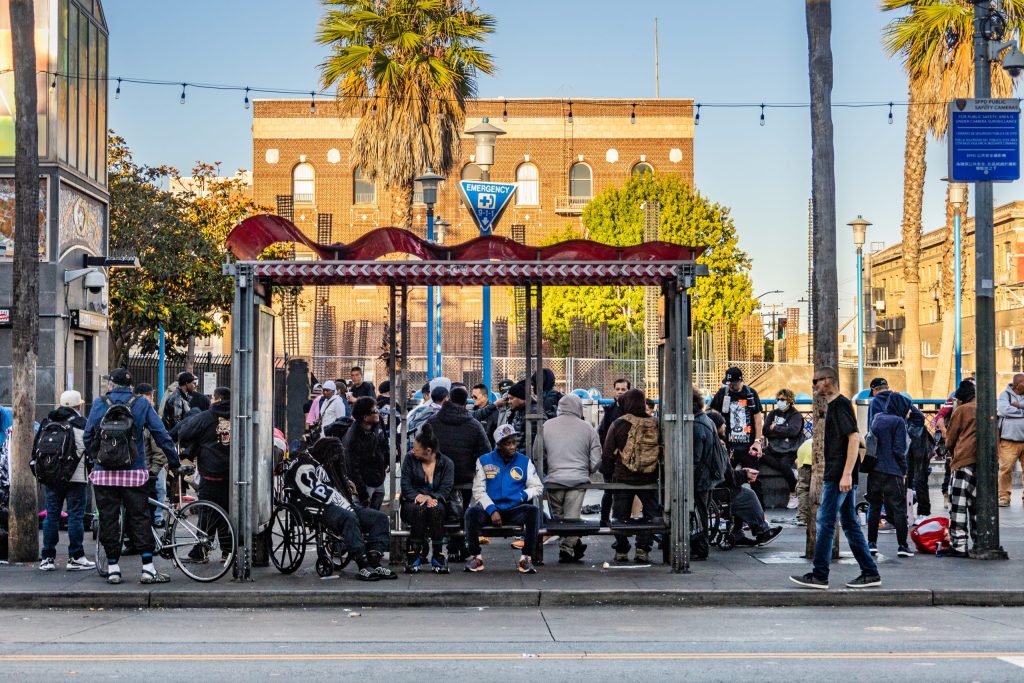
The sight of discarded needles and the lingering odor of illicit substances have long been a source of distress for families living near the Mission District’s BART plazas. Now, a significant philanthropic gift offers a renewed hope for addressing the persistent conditions plaguing these vital transit hubs. Mayor Daniel Lurie and Supervisor Jackie Fielder announced Friday that the Crankstart Foundation, the family foundation of billionaire Michael Moritz, will donate $9.25 million to improve the 16th Street and 24th Street BART plazas and surrounding streets, a sum intended to tackle open drug dealing, drug consumption, and the sale of stolen goods that have become hallmarks of the area.
The $9.25 million gift from Crankstart Foundation comes at a critical time for the city, and represents a significant investment in the Mission District. Michael Moritz, a San Francisco-based venture capitalist and financial backer of the San Francisco Standard, has previously donated hundreds of millions of dollars to city nonprofits and charitable causes. This funding supplements an earlier commitment of $3 million from the state for plaza improvements, bringing the total investment in the area to $12.25 million. The decision to allocate funds appears to be a result of a meeting between Supervisor Fielder and Mr. Moritz, alongside other business leaders and Lurie allies, including OpenAI CEO Sam Altman, Emerson Collective president Laurene Powell Jobs, and political financier Ron Conway.
For nearly 20 months, the city has struggled to address the issues plaguing the BART plazas. Previous efforts have included a 90-day multi-agency strategy, parking an RV-sized police command van on the plazas 24/7, bringing in weekend stallkeepers, hiring community ambassadors, deploying multi-agency street teams to connect people to services like drug treatment and shelter, and even launching a dashboard tracking conditions at the plaza using data on citations, arrests, and 311 complaints. The areas around the 16th Street and 24th Street stations see more than 10,000 visitors daily, and their current state presents a negative image for the city’s broader efforts to revitalize its public spaces. Mayor Lurie has visited the plazas multiple times, filming videos for social media to acknowledge the shortcomings of previous efforts and address residents’ concerns.
The city’s track record on improving conditions at the BART plazas has been fraught with challenges. Earlier this year, the city laid off 14 ambassadors, citing budget restraints—they cost $2.3 million last fiscal year. Some of those ambassadors were part of a safe passage program to escort students to their afterschool activities at Marshall Elementary School. The attempt to implement 24/7 ambassador patrols was deemed financially unsustainable, leading to increased police patrols instead, which would have cost nearly $8 million. Currently, the city contracts 12 ambassadors and two street workers to patrol the plazas from 10 a.m. to 6:30 p.m. through an outside contractor, Ahsing Solutions, which hires formerly incarcerated people or drug users.
The $9.25 million will be allocated to installing “public safety technology,” the specifics of which remain to be determined, and hiring additional community ambassadors. While the technology is yet to be defined, San Francisco has a history of utilizing police drones and Flock surveillance cameras in recent years. The mayor’s office has stated that the grant is expected to fund the new ambassadors for two years, though the number of new ambassadors, their start date, and patrol areas are still being finalized. The city had already secured $3 million from the state earlier this year for plaza improvements.
Supervisor Jackie Fielder emphasized the importance of the BART plazas as gateways to the Mission District and a cultural hub for San Francisco. “We talked about BART stations being the gateway to the heart of the city,” she said, “and the Mission being a cultural hub.” During her meeting with Mr. Moritz and other business leaders, Supervisor Fielder advocated for increased community ambassadors, plaza activities, and public art; while safety technology was not part of the initial discussion. Parents of students at Marshall Elementary School have long voiced concerns about drug users congregating near the school and leaving behind hazardous materials. Mayor Lurie acknowledged these concerns in a statement, emphasizing the need for concrete steps to make a real difference in the community.
The infusion of philanthropic capital offers a crucial opportunity to address a deeply concerning situation that impacts families and residents daily. While the promise of improved safety and cleanliness is welcome, it’s essential that we approach this with a measured perspective. The city’s history of short-term solutions and shifting strategies underscores the need for a long-term, comprehensive plan that prioritizes not just symptom management but also the root causes of the problems plaguing these areas. The decision to hire ambassadors through outside contractors raises questions about accountability and continuity; it's crucial that these individuals are properly trained, supervised, and integrated into a broader network of support services.
Moreover, the focus on “public safety technology” warrants careful consideration. While technology can undoubtedly play a role in enhancing security, it should not come at the expense of privacy or civil liberties. It’s imperative that any new systems are implemented transparently and with robust oversight to prevent unintended consequences. Crankstart Foundation has previously supported Mayor Lurie’s initiatives, including a $10 million contribution to his “Breaking the Cycle” fund for homelessness and drug use programs, $9 million for food assistance, and an undisclosed amount for a sidewalk-cleaning initiative. Missy Narula, Crankstart CEO, stated, “Everyone deserves to feel safe and welcome in their own neighborhood.”
For residents seeking more information about the Mission BART plaza improvements, the following resources are available:
The city’s dashboard tracking conditions at the plaza can be found here.
Closing paragraph: The infusion of philanthropic capital offers a crucial opportunity to address the challenges facing the Mission BART plazas. However, sustained success hinges on a long-term commitment to addressing the underlying issues that contribute to the area’s problems, coupled with ongoing collaboration between city officials, community organizations, and residents. It remains to be seen whether this latest effort will finally deliver the lasting improvements that this community so desperately needs.
By Katherine Langford

By Katherine Langford
By Katherine Langford
By Katherine Langford