Schools
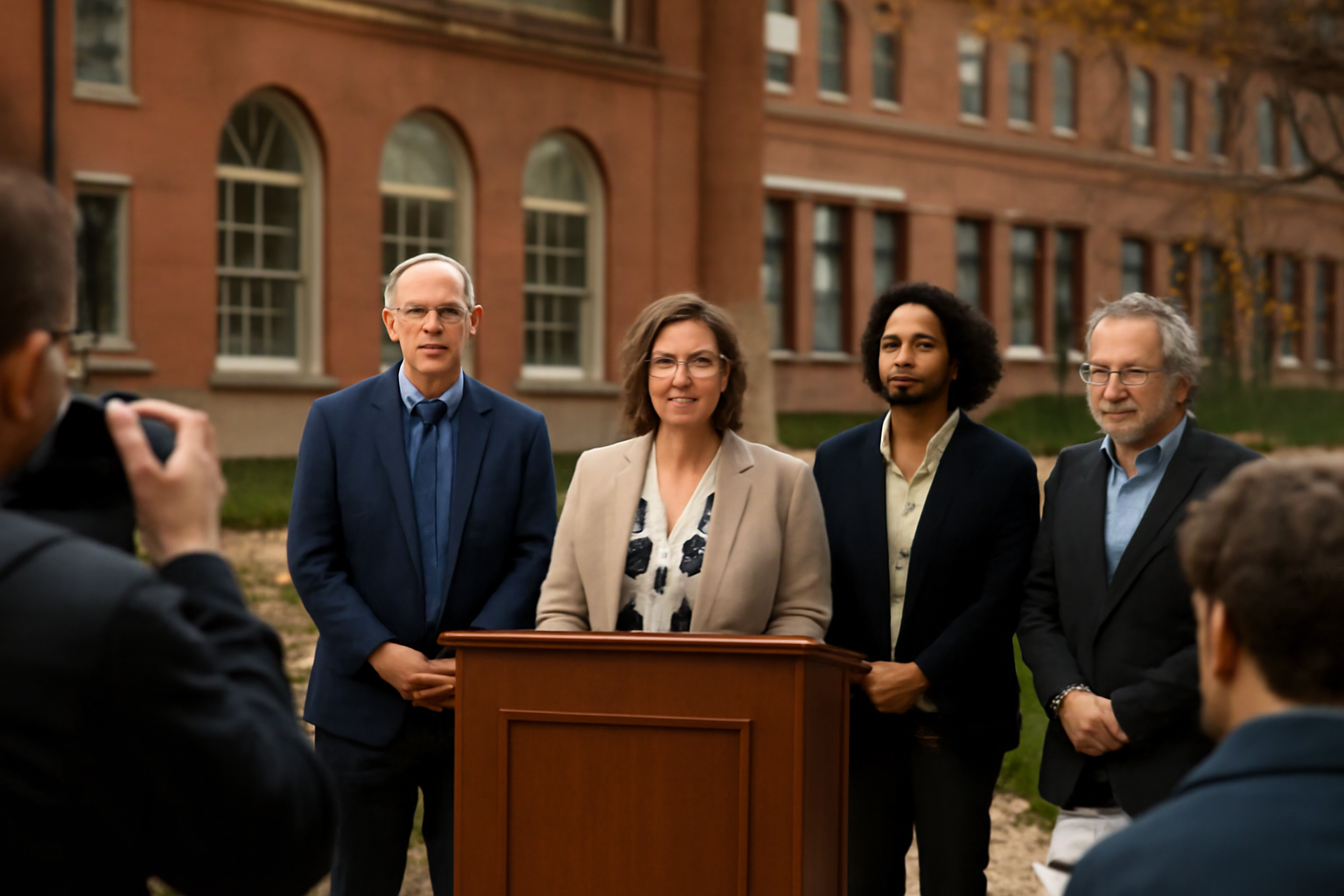
Cornell faculty senate to release result of no-confidence vote
By Marcus Chen
Advertisement · Why this ad?
Katherine oversees editorial operations across all six brands. Before joining The Meridan Group, she spent 14 years at the Minneapolis Star Tribune, where she led the metro desk through its digital transformation. She holds a Master's in Journalism from Northwestern's Medill School.
More from Katherine →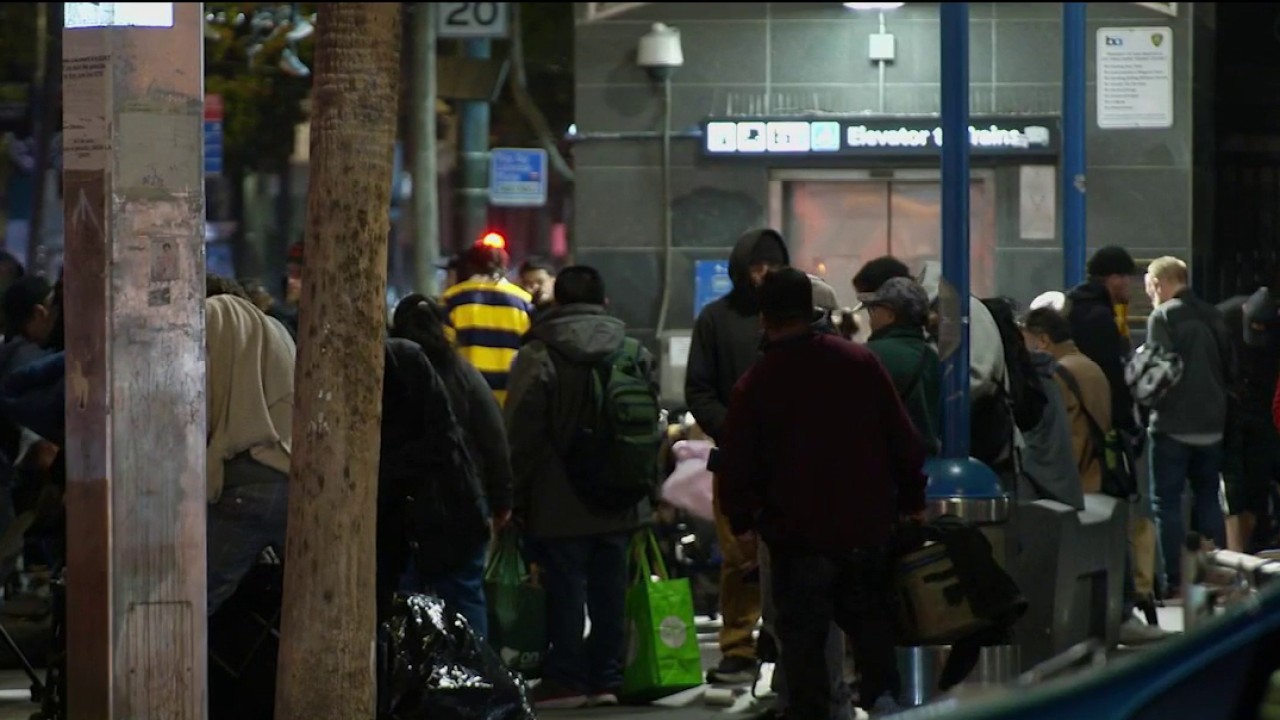
The flashing neon of the Mission District’s vibrant murals casts long shadows, yet a persistent unease lingers for many who rely on its BART stations. Bill Maggs, a San Francisco resident, succinctly captures a common sentiment: his wife avoids the 16th Street BART station at night, not due to overt crime, but because of the visible struggles of individuals experiencing mental illness and substance abuse. “I don't think it's particularly safe. Mostly, that's not because people are getting mugged or something like that, but there are mentally ill people, there are drug-using people at all times,” Maggs said. This reality has prompted city leaders to announce a $12.25 million initiative aimed at bolstering safety and services around the 16th and 24th Street BART stations, a plan that seeks to address long-standing concerns from residents and businesses.
The initiative, unveiled Friday by Mayor Daniel Lurie and Supervisor Jackie Fielder, combines immediate law enforcement measures with longer-term investments. Central to the plan is an increase in nighttime police patrols around the two BART stations, supplemented by sheriff's deputies and support from the California Highway Patrol. Sixteen CHP officers have been deployed for a 60-day period to assist with citywide law enforcement efforts. The funding, a mix of public and private resources, includes $9.25 million from Crankstart, a philanthropic organization, and $3 million secured by Assemblymember Jesse Gabriel. This financial commitment underscores the urgency felt by city officials and the community.
Beyond increased police presence, the plan allocates resources for expanded community ambassador coverage, improved lighting, public safety technology upgrades, and enhancements to the area surrounding Marshall Elementary School. These improvements include fencing, murals, landscaping and a dedicated Spanish-speaking community ambassador to help families during school arrival and dismissal times. Principal Noah Ingber and San Francisco Unified School District Superintendent Maria Su welcomed the investment, emphasizing the importance of ensuring students and families feel safe traveling to and from school. “The investment includes $9.25 million from Crankstart, a philanthropic organization, and $3 million in state funding secured by Assemblymember Jesse Gabriel,” the city announced.
While the announcement has been generally welcomed, residents express a cautious optimism, tempered by past experiences. Aliya Khan, a visitor from Concord, expressed enthusiasm about the increased police presence, noting that it might encourage more people to use BART for evening travel. “Definitely after 9, 10 o'clock, it can be a little suspect trying to get on the BART to get home, so it could definitely probably mean that we're coming out here a little more often or at least BARTing home more often, and it's a little bit safer, so that's exciting,” she said. However, others worry that increased enforcement will simply displace problems to nearby residential streets.
Paul De Mello, who regularly passes through the 16th Street BART station, observed that conditions in the neighborhood have historically fluctuated. “I'm hopeful. I've definitely seen it go up and down over many years,” he stated. Bill Maggs echoed this sentiment, noting that previous crackdowns in the Tenderloin and South of Market neighborhoods have seemingly pushed issues into the Mission. “As the defined zone that the mayor set up for the Tenderloin and SoMa, people have moved out of there. They’ve moved over here, but the Mission, it really goes up and goes down so much. In 25 years. I’ve seen every possible change,” he explained. The concern is that a concentrated effort in one area will simply shift the challenges elsewhere, creating a cycle of displacement rather than genuine improvement.
The fear that increased enforcement at the BART plazas could push illegal activity onto smaller residential side streets is a recurring concern among long-time residents. “I feel like sometimes there's a kind of an illegal market right when I get out of the train, and that doesn't feel right. I don't like having to go through that. It doesn't feel safe,” De Mello said.
Mayor Lurie acknowledged these concerns, stating that moving the problem from one block to the next is not sufficient. “Moving the problem from one block to the next isn't good enough — this community deserves concrete steps that will make a real difference,” he stated in a press release. The city also plans to expand nighttime street outreach and cleaning services. Kelly Pratt of Oakland, a healthcare provider, emphasized the need to address the underlying causes of street disorder. “It probably will make people around here feel safer, and I do feel that, since I’m a healthcare provider in public health, I would love to see investment and also ways to help those who are desperate enough to engage in these kinds of behaviors through social services and all that. But I am acknowledging that’s a longer-term goal,” she said.
The announcement of this $12.25 million initiative is a welcome sign of commitment to the safety and well-being of the Mission District. However, as residents rightly point out, simply shifting problems from one location to another is not a sustainable solution. The underlying issues of mental health challenges and substance abuse are complex and require a holistic approach that combines law enforcement with compassionate social services. The inclusion of improvements around Marshall Elementary School is particularly encouraging, recognizing the vital importance of creating a safe and supportive environment for our children. The long-term success of this initiative will depend not only on the immediate measures taken but also on a sustained commitment to addressing the underlying social and economic factors that contribute to these issues.
For residents seeking more information or wishing to report concerns, several resources are available. The San Francisco Police Department offers online reporting and contact information for local precinct stations. Families with children attending Marshall Elementary School can contact the school directly for information about safety measures and community ambassador services. The BART website provides information on safety protocols and reporting suspicious activity. For those seeking mental health or substance abuse support, Mental Health Services offers a range of resources and assistance. Finally, the Crankstart website provides information about their philanthropic initiatives and commitment to supporting San Francisco communities.
The implementation of this $12.25 million plan marks a significant step toward improving safety and quality of life in the Mission District. While the immediate increase in law enforcement presence offers a sense of reassurance, the phased implementation, with lighting upgrades and expanded ambassador coverage taking several months as the city works through grant applications and implementation, highlights the complexity of the task ahead. Continued dialogue between city officials, residents, and businesses will be crucial to ensure that the plan remains responsive to the community’s evolving needs and fosters a sense of shared responsibility for creating a safer and more vibrant neighborhood for all.
By Marcus Chen

By Marcus Chen

By Katherine Langford
By Marcus Chen