Schools
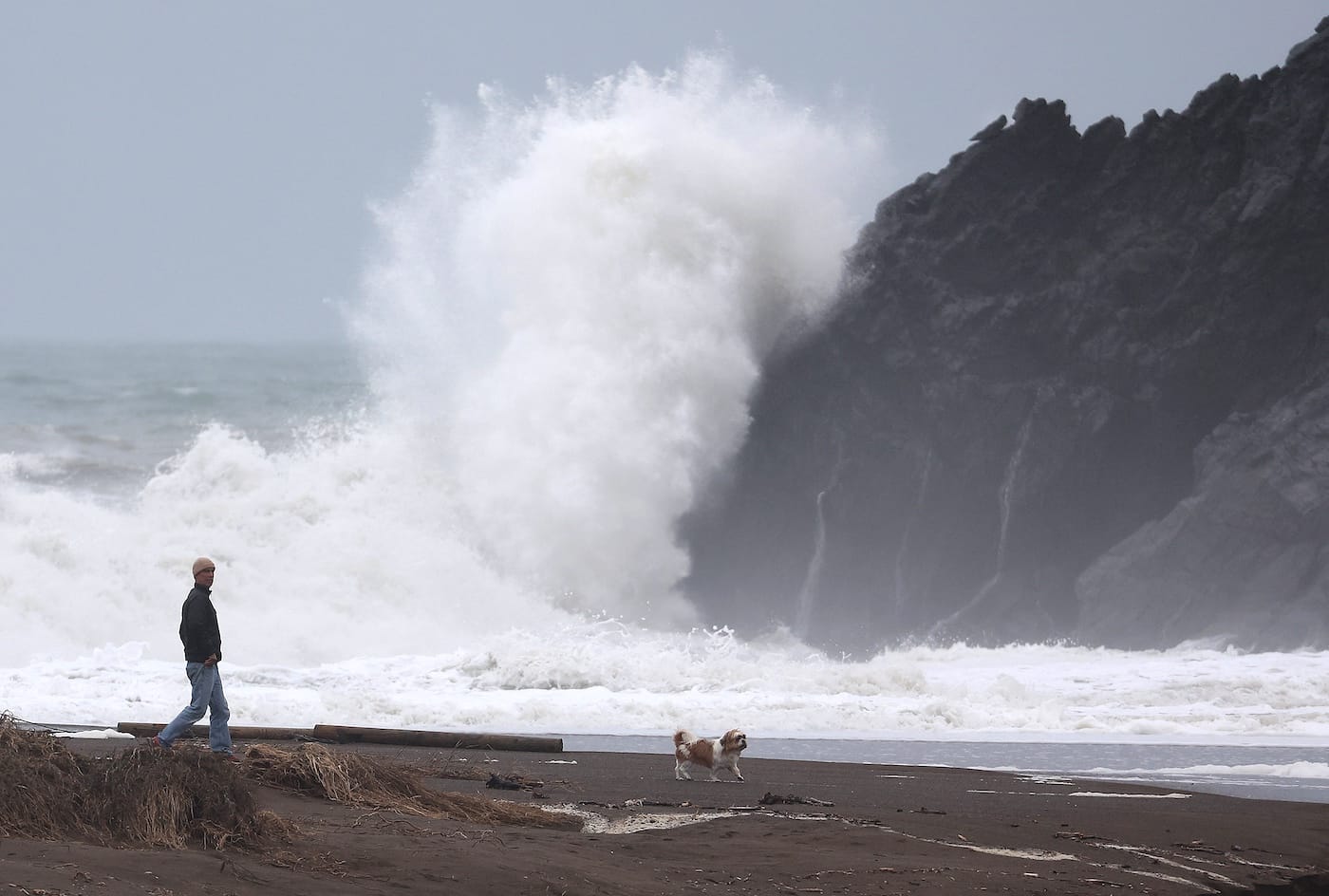
Bay Area Under Coastal Flood Advisory as Potential 16-Foot Waves Threaten Beaches
By Katherine Langford
Advertisement · Why this ad?
Katherine oversees editorial operations across all six brands. Before joining The Meridan Group, she spent 14 years at the Minneapolis Star Tribune, where she led the metro desk through its digital transformation. She holds a Master's in Journalism from Northwestern's Medill School.
More from Katherine →
The shouts from the Golden Gate Bridge cut through the rhythm of the Pacific. Seventeen-year-old Colby Ralls of San Rafael, along with two fellow surfers, heard the commotion and immediately turned their attention from the waves to a man in distress. What followed was a swift and remarkable rescue, as the surfers paddled into the water near Fort Point to assist a person who had jumped from the iconic bridge, buying precious time until the Coast Guard could arrive. The incident underscores both the ongoing challenges of preventing tragedy at the landmark and the quiet heroism that can emerge from unexpected corners of our community.
On Tuesday afternoon, a man jumped from the Golden Gate Bridge, prompting a dramatic rescue response. Colby Ralls, a 17-year-old surfer, was with two others when they witnessed the event. “I yelled to my dad, call someone. Everyone was yelling to the beach, to call someone. And then he ended up just jumping off,” Ralls recounted to KGO-TV. The surfers immediately paddled towards the man, who was reportedly in his 20s, and found him still calling for help. Using a surfboard to keep him afloat, they worked to stabilize him and maintain his consciousness while awaiting assistance. According to the U.S. Coast Guard, the rescue occurred near Fort Point, a location known for its challenging surf conditions—a “fickle” break generated by powerful northwest swells, rocky bottoms, and strong tidal currents, as described by Surfer magazine.
Within minutes, a US Coast Guard rescue boat arrived and took over the man’s care. The man was transferred to an ambulance in stable condition. “Hitting that water at that speed and you can experience shock very quickly, so those surfers being there, be able to pull the person onto a surfboard, provided those vital seconds in order to be able to save the person,” said Coast Guard Lt. John Thompson. Ralls, after the rescue, expressed a simple hope: “I just really hope he’s okay.” The surfers then returned to shore, processing the gravity of what they had witnessed. According to the U.S. Coast Guard, the man was in stable condition when he was transferred to an ambulance.
Coast Guard Lt. John Thompson credited the surfers’ quick actions with providing “vital seconds” that allowed for the man’s rescue. “Those surfers being there, being able to pull the person onto a surfboard, provided those vital seconds in order to be able to save the person,” Thompson stated. The surfers' willingness to enter the turbulent waters near Fort Point, a notoriously challenging surfing location, further highlights their bravery and dedication. The incident serves as a poignant reminder of the critical role of quick thinking and community involvement in moments of crisis.
The area near Fort Point presents unique challenges for surfers. As described by Surfer magazine, the break is unusually “fickle,” generated by powerful northwest swells that move over a rocky bottom amid strong tidal currents and passing cargo ships. These conditions make rescue operations even more difficult, emphasizing the surfers’ remarkable response in the face of such adversity. The unpredictable nature of the waves and currents underscores the inherent risks faced by those who brave these waters.
The incident underscores the ongoing efforts to prevent suicides at the Golden Gate Bridge, with the installation of horizontal barriers beneath the bridge significantly reducing the number of deaths. Since the barriers’ installation in 2024, the bridge has seen a dramatic drop in fatalities, from an average of 30 deaths annually to just four in all of 2025. The New York Times reported that the second half of 2025 may have been the longest period without a suicide at the bridge in recorded history. The lower number of attempts suggests that the barriers may be discouraging people from approaching the edge in the first place.
While the Golden Gate Bridge’s suicide barriers represent a significant step forward, they are not a substitute for comprehensive mental health support. Several resources are available for individuals struggling with suicidal thoughts or those seeking to help someone in need. The national Suicide and Crisis Lifeline is accessible by calling or texting 988. In the Bay Area, Crisis Text Line offers free, confidential support by texting BAY to 741741. San Francisco Suicide Prevention can be reached at 415-781-0500. These services provide a lifeline for those in crisis and offer valuable support for families and friends. SAMHSA's National Helpline also offers confidential, free, 24/7 information and referrals.
The bravery of those surfers, particularly the young man, Colby Ralls, is a testament to the inherent goodness within our community. It’s easy to feel overwhelmed by the scale of challenges like suicide prevention, but this rescue offers a powerful reminder that individual acts of kindness and courage can make a profound difference. The statistics surrounding the bridge's suicide rate are encouraging, but they also underscore the fragility of life and the importance of fostering a culture of compassion and open communication. The fact that a 17-year-old felt compelled to act, even at personal risk, speaks volumes about the values instilled in our young people—values that emphasize responsibility, empathy, and a commitment to helping others. We must continue to support families and organizations working to strengthen mental health resources and provide a safety net for those struggling with despair. A stable home, a supportive community, and a connection to something larger than oneself are essential for individual well-being and the health of our society.
The incident also highlights the importance of strong community bonds and the willingness of individuals to step up in times of need. Supporting local organizations that provide mental health services and promote community engagement can help create a more resilient and supportive environment for all residents. Building a society that values commitment, family, and faith requires a collective effort, and moments like this rescue serve as a powerful reminder of what we can achieve when we come together.
By Katherine Langford

By Katherine Langford
By Katherine Langford

By Katherine Langford